
Why Financial Stability Feels Harder Today
Being on your own has never been cheap, but recent years have made it feel even harder. A one‑bedroom apartment that might have cost €600 a few years ago can now be €800 or more. Weekly groceries that once totalled €45 can creep above €60. Entry‑level jobs often pay little more than they did a decade ago, and many contracts are short‑term or freelance. On top of that, moving out means paying deposits, utilities, insurance and furnishing a home—expenses that are easy to overlook when you’re living with family. Add social isolation and the temptation to treat yourself for comfort, and it’s no wonder many young adults feel squeezed. Recognising these pressures is the first step; knowing that they are common can make financial challenges feel less personal.
The Biggest Financial Mistakes Young Adults Make
Spending money too casually
Small purchases add up. A streaming subscription for €9.99, a gym membership at €30, a premium phone app at €4.99 and a cloud storage plan at €2.99 might feel insignificant. Yet together they can total more than €600 a year—money that could go toward savings or debt repayment. Impulse buys like takeaway coffee or ride‑hailing trips can quietly erode your budget, especially when you’re not tracking them.
Relying on buy‑now pay‑later
Buy‑now pay‑later options spread out payments, but they make it easy to commit to purchases you can’t truly afford. Financing a €1,200 laptop at €50 a month may seem manageable, but interest and fees mean you ultimately pay more than the sticker price. Taking on multiple BNPL plans at once can overwhelm your cash flow and leave you living paycheck to paycheck.
Ignoring budgeting and tracking
Without a budget, you’re guessing. Many young adults underestimate how much they spend because they don’t track it. Forgetting about subscriptions, overlooking automatic renewals or not accounting for annual expenses like insurance can lead to unpleasant surprises. A simple budget that divides income into needs, wants and savings provides clarity and keeps you honest.
Lifestyle inflation
When your income rises, it’s tempting to upgrade your lifestyle—moving to a nicer apartment, dining out more often or buying a newer car. While it’s important to enjoy your earnings, letting expenses rise in lockstep with your income leaves little room for saving or investing. Lock in a lower lifestyle for a while so you can build a financial cushion.
Not tracking expenses
Most people think they know where their money goes until they write it down. Without tracking, it’s easy to overlook small recurring expenses. Using an expense tracking system can help identify unnecessary monthly spending. Our guide to a simple expense tracking system shows how to do this without complicated spreadsheets.
The Financial Habits That Create Stability
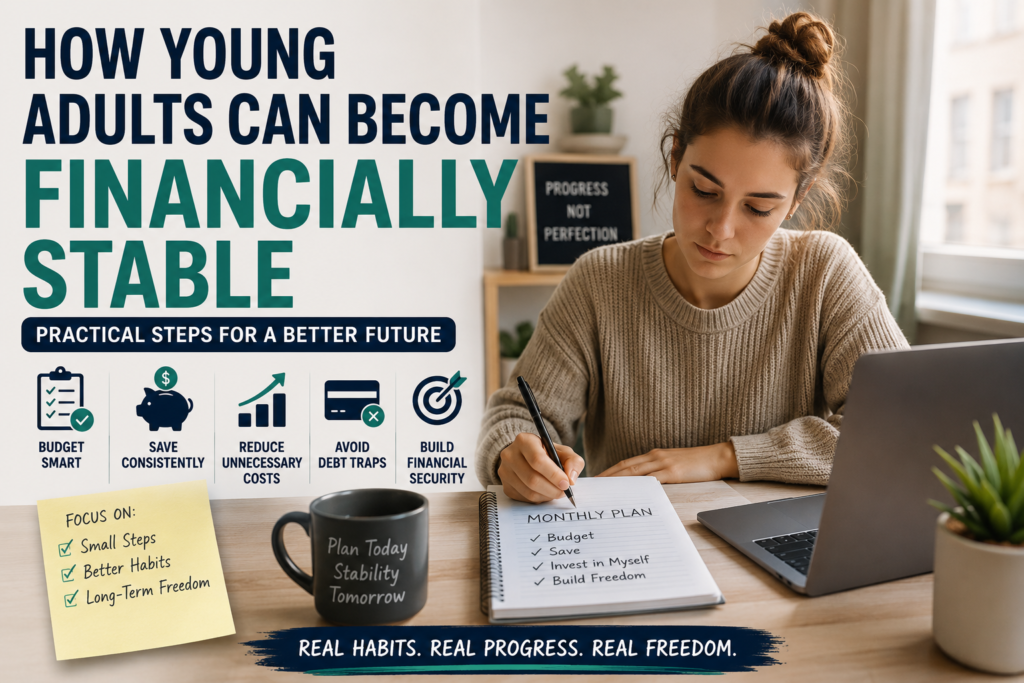
Good financial habits are about structure, not deprivation. Start with a budget that assigns every euro a job—essentials, lifestyle and savings. Tracking your spending keeps you aware of where your money actually goes. Cancel or negotiate subscriptions you no longer use; that €15 subscription you forgot about becomes €180 a year if left unchecked. Avoid high‑interest debt and use buy‑now pay‑later sparingly. Build an emergency fund, even if you can only put aside €25 a week. Automate savings transfers to make them consistent, but review them if your income fluctuates. Consider creating a personal finance system that manages your cash flow; our step‑by‑step guide on building a personal finance system can help you set one up.
Common Traps That Delay Financial Stability
Financial progress can stall because of common traps. Lifestyle inflation happens when your spending increases whenever your income does, leaving you no better off. Financing unnecessary purchases—like the latest phone or designer clothing—locks you into payments that reduce your flexibility. Emotional spending is using shopping as a way to cope with stress or loneliness; social media can amplify this by promoting constant comparison. Constant comparison with peers or influencers makes you feel behind and pushes you to spend to keep up. Ignoring recurring monthly costs—subscriptions, small fees and automatic renewals—means money leaks out of your account without you noticing. Avoiding these traps requires awareness and discipline; reviewing your bank statements regularly can reveal patterns you missed.
How to Build Stability Even on a Low Income
Stability isn’t reserved for high earners. If your income is low or inconsistent, focus on covering essentials first: rent, food, utilities and transportation. Any amount saved is progress; setting aside €10 every week builds a €520 buffer in a year. Prioritise free or low‑cost entertainment and cook at home more often. Share housing or look for flatmates to reduce rent. Avoid upgrading your lifestyle with every pay raise—put the extra money toward your emergency fund or debt. Over time, seek opportunities to increase your income through additional training, side gigs or negotiating better pay. The key is consistency and patience.
The Emotional Side of Financial Stress
Financial stress can be exhausting. It’s normal to feel behind when you see friends buying homes or travelling while you’re still paying off loans. You might worry that you’ll never catch up or that you’re not doing enough. Remember that everyone’s circumstances differ and many people are dealing with similar pressures. Acknowledge feelings of hopelessness or discouragement, but don’t let them paralyse you. Talking to someone you trust or connecting with others who share your concerns can provide perspective. Focus on incremental progress—tracking expenses, paying down debt, building a small buffer—and celebrate small wins. Financial stability is built over years, not months.
Step‑by‑Step: How to Start Becoming Financially Stable
Step 1: Track your real spending. Keep a record of every expense for at least a month. Use a notes app, a spreadsheet or the T.R.A.C.K. method from our expense tracking guide. You may discover that takeaway lunches cost €8 a day or that impulse buys at the supermarket add €40 a week to your bill.
Step 2: Cut avoidable monthly costs. Cancel subscriptions you don’t use, negotiate phone plans and shop around for insurance. For example, trimming two streaming services at €9.99 each frees €240 a year. Brewing coffee at home could save another €80 a month. Redirect these savings toward your emergency fund or debt.
Step 3: Build a small emergency buffer. Aim to save one month’s rent and living expenses. Even €25 a week adds up to €1,300 over a year. Keep this buffer in a separate account so you’re not tempted to spend it. Over time, build it up to cover three to six months of expenses.
Step 4: Avoid unnecessary debt. Pay your credit card balance in full and treat buy‑now pay‑later as a last resort. Financing a €600 phone over 12 months could cost you €720 after fees. Learn how to stop overspending by creating systems that make spending decisions easier.
Step 5: Focus on consistent improvement. Instead of seeking drastic changes, aim for gradual progress. Increase your savings rate by 1 % every few months. Use pay raises to boost your emergency fund. Try the 50/30/20 rule as a flexible framework for dividing your income into needs, wants and savings.
Frequently Asked Questions
What is financial stability? It means having enough income and savings to cover your essentials, handle emergencies and pursue long‑term goals without constant financial stress. Stability doesn’t require being rich; it requires consistent habits and planning.
How can young adults save money? Track your spending, cut non‑essential costs and automate small transfers to savings. Even €10 saved each week becomes €520 in a year. Use tools like the T.R.A.C.K. method to keep a clear picture of where your money goes.
Is it normal to struggle financially in your 20s? Yes. Rising rent, student debt and starting salaries make finances tight for many people. Struggling doesn’t mean you’ve failed; it means you’re in a common situation that requires patience and smart planning.
How much emergency savings should I have? Aim for three to six months of living expenses. If that feels unrealistic now, start with one month’s expenses. Building even a small buffer will protect you from unexpected setbacks.
Conclusion
Building financial stability in your 20s isn’t about quick fixes or sudden wealth; it’s about developing habits and systems that give your money direction. Track where every euro goes, cut unnecessary expenses, save consistently and avoid high‑interest debt. Progress may feel slow, but small steps—taken regularly—compound over time. Stability grows quietly and steadily, giving you the confidence to face uncertainty and plan for the future.
My book on Gumroad:
https://ukandu0.gumroad.com/l/bteyh
Or on Amazon:
Build Financial Clarity
Join the Crown Altessa newsletter and receive:
• the free Financial Foundation Guide
• practical financial frameworks
• strategic decision-making insights
• tools designed to help you think long term about money and stability
If you want calmer, more structured financial thinking in an uncertain world, subscribe below.