


Introduction: When Money Feels Like It’s Slipping Away
Have you ever opened your banking app and wondered, “Where did it all go?”
You’re not alone. A survey from the Certified Financial Planner Board found that 59 % of people aren’t tracking their spending.
When you don’t know where your money is going, small purchases – a €3 coffee here, a forgotten subscription there – add up, and control feels out of reach.
Add to that the fact that the average person underestimates their spending by about 20 % and it’s no wonder so many people feel overwhelmed.
But regaining control doesn’t have to be complicated or time‑consuming. This guide offers a simple and practical system you can start today. It’s designed for people who feel out of control with money and struggle to stick with tracking habits. By following the T.R.A.C.K. method, you’ll turn chaos into clarity and feel confident in your choices.
Why Most People Fail to Track Expenses
Most people don’t fail to track expenses because they’re lazy—they fail because the system they’re using is too complicated.
Many start with detailed spreadsheets, multiple categories, and strict rules. At first, it feels productive. But after a few days, it becomes overwhelming. Missing one entry feels like failure, and eventually, they stop completely.
Others try to be too strict. They track every cent perfectly for a week, then life gets busy. One missed day turns into a week, and the habit breaks. The pressure to be perfect makes the process unsustainable.
The real issue is the lack of a simple, repeatable system. Expense tracking should fit into your daily life, not disrupt it. If it feels stressful or time-consuming, it won’t last.
The goal is not perfection—it’s consistency over time.
Now let’s look at how to build a system that actually works.
Why Tracking Matters
When your spending is invisible, you can’t see where leaks are happening. According to that same CFP survey, people who budget feel more in control (62 %), confident (55 %) and secure (52 %).
In contrast, those who don’t track their money are more likely to feel stressed and out of control. Tracking gives you the information you need to stop overspending and start directing your money toward what matters – whether that’s paying off debt, saving for a dream trip or simply breathing easier every month.
The T.R.A.C.K. Method: A Simple System to Regain Control
The T.R.A.C.K. Method breaks expense tracking into five easy steps. You don’t need fancy software or hours of free time – just a willingness to stay consistent. Here’s how to get started.
1. Tally Every Transaction
For at least 7 days – ideally 30 – write down every euro you spend, no matter how small. This might seem tedious, but it’s the only way to see where your money truly goes. Use whatever tool you’re most comfortable with:
- Notebook or notes app: Jot down purchases as they happen – your €2.70 coffee, €1.40 bus ticket, €29 streaming subscription.
- Spreadsheet: Create columns for date, amount and category. Spreadsheets are flexible and free.
- Budgeting app: Apps like YNAB, Mint or PocketGuard sync with your bank and record transactions automatically, reducing manual work.
Real‑life example: Emma started tallying her spending for two weeks and was shocked to see she’d spent €40 on takeaway coffees. By simply switching to brewing at home most days, she immediately saved over €80 per month without feeling deprived.
2. Review by Category
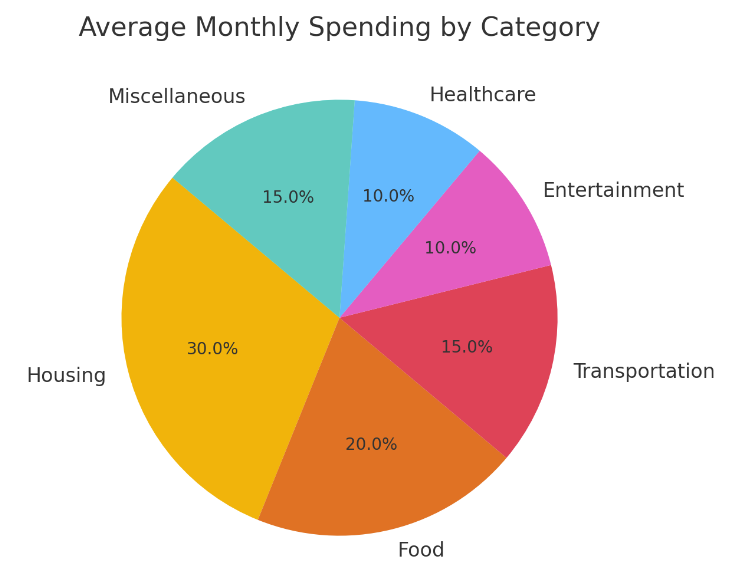
Once you’ve captured your spending, group transactions into categories. Common buckets include:
- Fixed expenses: rent/mortgage, utilities, insurance.
- Variable expenses: groceries, transport, dining out, entertainment.
- Discretionary: hobbies, clothes, small treats.
- Savings and investments: automatic transfers to savings accounts or retirement funds.
This step is about seeing patterns, not judging yourself. Maybe you discover dining out three times a week adds up to more than your weekly grocery bill. Seeing the numbers side by side makes it clear where you can adjust without guessing.
3. Analyze Your Patterns
Add up each category and compare it with your income. Ask yourself:
- Am I spending more than I earn?
- Which categories are larger than expected?
- Are there any surprises – like multiple streaming services or impulse purchases that don’t bring me joy?
Practical example: Suppose you take home €3,500 per month and your 30‑day tally reveals you spent €1,400 on rent and utilities, €550 on groceries, €300 on transportation, €150 on subscriptions and €500 on dining/entertainment – a total of €3,150.
You expected to save €600 but only saved €350. By cutting dining and entertainment by €200, your monthly savings jump to €550, adding €2,400 per year.
4. Cut & Control
Now that you know where your money goes, decide which adjustments feel doable. Start small; drastic cuts rarely stick. For example:
- Set a weekly limit on dining out or choose cheaper cafés.
- Cancel a subscription you rarely use – that €10 monthly service adds up to €120 a year.
- Shop with a grocery list and meal plan to avoid impulse buys.
The goal isn’t deprivation; it’s making conscious choices. Redirect the money you free up to paying down high‑interest debt or boosting your emergency fund.
5. Keep It Going
Consistency is the magic ingredient. Choose a rhythm that suits you:
- Daily check‑in: Spend 3 minutes every evening recording transactions or reviewing your app.
- Weekly review: Every Sunday, total your categories and adjust your plan for the coming week.
- Monthly reset: At month’s end, review your spending, celebrate wins and set a goal for the next month.
To stay motivated, pair tracking with something pleasant – like a favourite tea or playlist. Remember, this is about building a habit, not achieving perfection.
Choosing the Right Tools (Quick Guide)
Different methods appeal to different personalities:
- Manual tracking builds awareness but requires discipline.
- Spreadsheets allow full customisation and are perfect if you enjoy numbers.
- Apps automate categorisation and totals, making tracking almost effortless.
- Envelope or cash systems physically limit spending and work well if you struggle with card or app spending.
Pick the tool you’re most likely to stick with. Consistency beats perfection every time.
Beyond Tracking: Turning Data into Progress
Expense tracking is the first step. Once you have visibility, connect it to a broader plan:
- Create a simple budget (e.g., the 50/30/20 rule) so every euro has a purpose.
- Automate savings by setting up transfers to a separate account on payday.
- Check in quarterly to adjust categories as your life changes – a new job, moving cities or starting a family.
For a step‑by‑step roadmap from survival to stability and growth, check out our in‑depth guide “How Personal Finance Made Simple Can Transform Your Future.” It will help you build on your new tracking habit and design a plan for long‑term success.
Conclusion: Take Back Control Today
Feeling out of control with money isn’t a character flaw – it’s a lack of information. By using the T.R.A.C.K. method, you’ll move from guessing to knowing. Start by tallying every transaction and reviewing your spending by category. Analyze the patterns, decide where to cut, and commit to a rhythm that works for you.
With each month, you’ll feel less anxious and more empowered. And when you redirect even a few euros a day toward your goals, the impact compounds.
Start tracking today – your future self will thank you for taking back control without losing your sanity or your joy.
Want a Clear, Structured Path Forward?
If you want a step-by-step system to move from survival to stability—and eventually to growth:
My book on GumRoad: How Personal Finance Made Simple Can Transform Your Future
Or on Amazon:
It’s designed to give you clarity, structure, and practical direction—so you’re not just reacting to life, but building control over it.
Build Financial Clarity
Join the Crown Altessa newsletter and receive:
• the free Financial Foundation Guide
• practical financial frameworks
• strategic decision-making insights
• tools designed to help you think long term about money and stability
If you want calmer, more structured financial thinking in an uncertain world, subscribe below.