


Introduction: Why Most Savings Plans Fail
We all start with good intentions. Maybe you downloaded a budgeting app, cut out take‑away coffee for a week, or tried to save half your paycheck. And then life happens: an unexpected bill lands, a friend invites you out, and within a month the “plan” is forgotten. It’s frustrating to feel like you’re spinning your wheels, not because you lack discipline but because the plan didn’t fit your real life.
Most savings plans fail because they’re vague, unrealistic or far too complicated. Setting aside half your pay or living on rice and beans might work on paper, but it rarely works when you’re juggling rent, groceries and the occasional treat. You start motivated… and a few weeks later, the plan is gone.
A good savings plan isn’t about strict rules—it’s about building a system you can follow consistently. The right framework will keep you on track without requiring superhuman discipline.
The good news is you don’t need a perfect plan—you need one that matches your situation and keeps you motivated. This article introduces The 4‑Step Real‑Life Savings System, a simple approach designed for people who want to save money but struggle with consistency. We’ll show you how to start small, adjust as you go and build habits that last, even if your income fluctuates or your expenses feel unpredictable.
The 4‑Step Real‑Life Savings System
Saving isn’t about memorising strict rules—it’s about following a system you can actually stick to. Here’s the overview:
- Define your goal – Know exactly what you’re saving for and why it matters to you.
- Assess your finances – Understand your income, spending and how much room you have to save.
- Build a realistic plan – Choose an allocation that fits your life and break the goal into manageable amounts.
- Automate and review – Set up automatic transfers and adjust regularly as life changes.
This framework focuses on consistency, not perfection. By previewing the steps up front, you’ll have a clear roadmap before diving into the details.
Step 1: Define a Goal That Actually Motivates You
Start by giving your savings a purpose. The Consumer Financial Protection Bureau notes that having a specific goal helps you stay on track because it gives you something tangible to work toward. Make it concrete—“Save €1,200 for an emergency fund by next December” is better than “save more money.” Write down your goal and why it matters to you.
Most people don’t fail because they lack willpower; they fail because their savings target isn’t tied to anything meaningful. When you know exactly what you’re saving for, you’re more likely to stick with it.
Example: A €1 200 Emergency Fund
If your goal is to build a €1 200 emergency fund in 12 months, you’ll need to set aside €100 each month. That works out to about €25 a week or roughly €3.30 a day. Breaking a big number into tiny daily amounts makes it feel manageable, not overwhelming. Post this breakdown somewhere visible so you can see progress and stay motivated.
Step 2: Get Real With Your Numbers
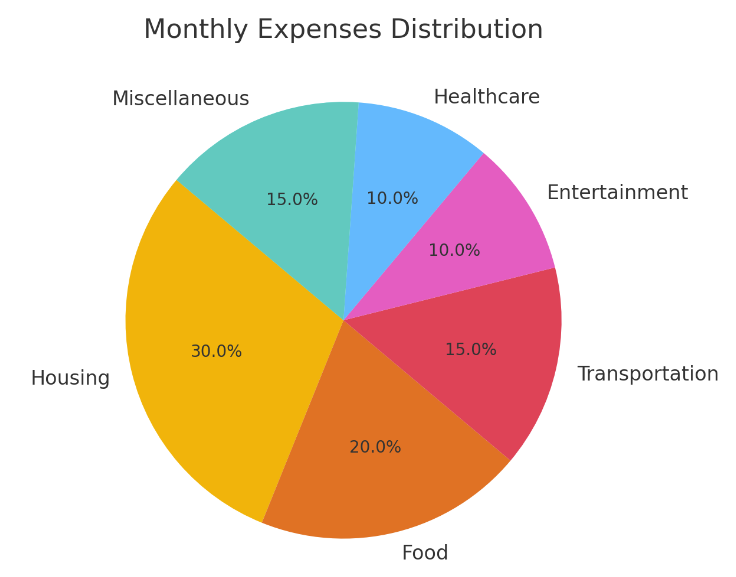
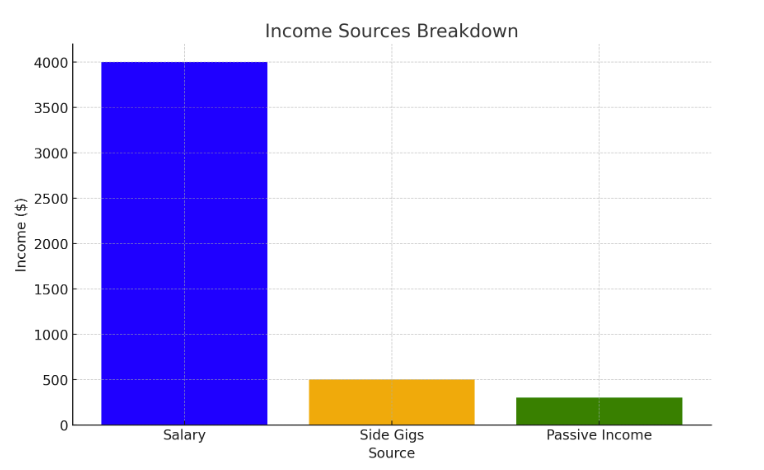
Before deciding how much to save, you need a clear picture of your income and expenses. The Federal Reserve Bank of St. Louis recommends tracking your spending for at least one month and sorting expenses into essentials (rent, groceries, transportation, insurance) and non‑essentials (subscriptions, dining out, impulse buys). Calculate your total income—including salary, freelance and side gigs—and subtract your expenses. What’s left is what you can reasonably save.
Example: Finding Room to Save
Suppose you earn €2 500 a month after tax. After tracking spending for 30 days, you discover you’re spending €2 200: €1 500 on necessities and €700 on extras like eating out and shopping. That leaves €300. Instead of trying to save the entire €300 and burning out, commit to saving €150 and use the other €150 to slowly reduce non‑essential spending. Starting smaller increases your chance of sticking with it. You can always increase contributions later when you’ve built the habit.
Step 3: Build a Plan You Can Live With
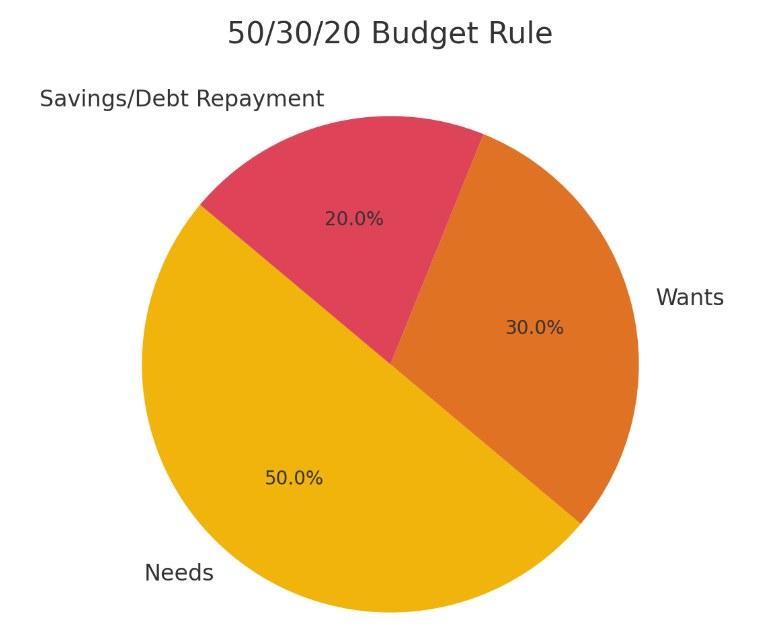
Next, decide how to allocate your money. One simple framework is the 50/30/20 rule, which puts about 50 % of take‑home pay toward necessities, 30 % toward discretionary spending and 20 % toward savings and debt repayment. Adjust these percentages based on your situation—if your rent is high, you might start by saving 10 % and aim to increase later. The key is to treat savings like a bill you pay yourself every month. Real plans are flexible: if you have a lean month, drop your contribution rather than quitting entirely.
Break down your goal into manageable amounts. If you want to save €3 000 for a new laptop in 10 months, set aside €300 per month or about €10 per day. Use a spreadsheet or a savings app to track progress and stay accountable.
Choose the right place to keep your money. A high‑yield savings account is ideal for emergency funds because it’s FDIC‑insured and offers higher interest than a regular savings account. If you have a goal with a firm deadline and don’t need access to the funds in the meantime, consider a certificate of deposit (CD). CDs generally offer higher fixed rates than regular savings accounts, but they limit withdrawals until the term ends.
Step 4: Automate and Keep Adjusting
Consistency is easier when you remove willpower from the equation. Set up automatic transfers from your checking account to your savings account on payday. When the money moves automatically, you’re less tempted to spend it elsewhere.
Review your savings plan monthly or quarterly. Ask yourself: Are you meeting your target? Have your income or expenses changed? Do you need to adjust your timeline or contribution amount? The CFPB advises monitoring your savings regularly and redefining what counts as an “emergency” so you don’t raid your fund on impulse. Celebrate milestones—research shows that acknowledging progress and maintaining an optimistic outlook can boost saving success. If you fall short one month, don’t beat yourself up; adjust and keep going. Life isn’t static, and your plan shouldn’t be either.
Staying Motivated Without Burning Out
Saving money can feel slow, so it’s important to keep your plan sustainable. Reward yourself responsibly when you hit a milestone—celebrate with a low‑cost treat that doesn’t derail your progress. Visualise your goal by using a progress chart or an app; seeing each deposit brings you closer to your target. And remember that small amounts add up over time; even €25 a week becomes €1 300 in a year.
Example: Building an Emergency Fund Gradually
Experts often recommend saving three to six months of essential expenses for a solid emergency fund. If your monthly essentials are €1 000, that means €3 000–€6 000. Saving that in a year might be unrealistic if your budget is tight. Instead, aim to reach €500 after three months, €1 500 after nine months and continue building. Adjust your timeline based on your circumstances; the point is to start and keep going.
Conclusion: Keep It Simple, Keep It Going
Perfection isn’t the goal—sticking with the plan is. Define a goal that motivates you, get real about your numbers, build a plan you can live with and automate your contributions. Keep the system flexible: adjust when life changes, but keep going. Even a €10 weekly transfer builds momentum over time. You don’t need a perfect plan—you need one you won’t abandon. Start small today, celebrate progress and let consistency, not perfection, carry you to the finish line.
Get More from Crown Altessa
Looking for more personal finance guidance? Explore these resources:
- The 50/30/20 Rule: A Simple Budgeting Strategy – Learn how to allocate your income using a tried‑and‑true budgeting framework.
- My book on GumRoad: How Personal Finance Made Simple Can Transform Your Future
- Or on Amazon:
Build Financial Clarity
Join the Crown Altessa newsletter and receive:
• the free Financial Foundation Guide
• practical financial frameworks
• strategic decision-making insights
• tools designed to help you think long term about money and stability
If you want calmer, more structured financial thinking in an uncertain world, subscribe below.