
Why So Many Young Adults Feel Stuck Financially
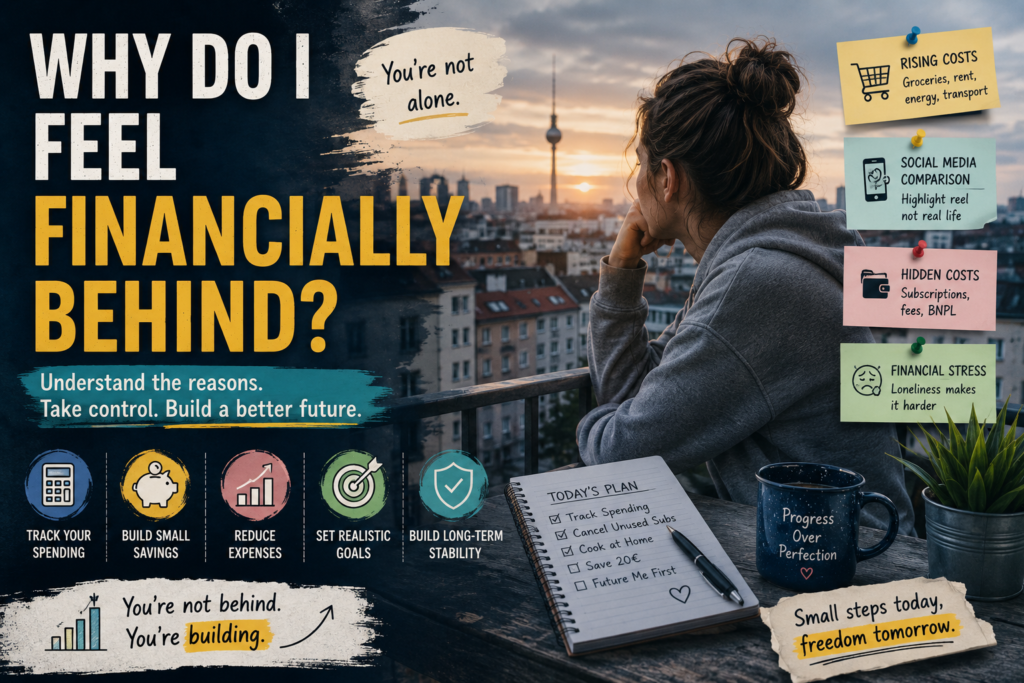
Living on your own in a modern European city isn’t cheap. An entry‑level salary might bring in €2 100 to €2 500 net each month, yet rent for a modest one‑bedroom can easily be €800–€1 000, plus €200 for utilities, Internet and insurance. In cities like Berlin, Munich or Amsterdam, rents have risen well above general inflation, and deposits of two or three months’ rent are standard. Grocery bills have climbed as well; a basket of basics that cost €50 a week a few years ago can be closer to €70 now as supply‑chain disruptions and energy costs feed through to the supermarket aisle. Even essential expenses like health insurance and transport cut into your budget. In Germany, public health insurance contributions and payroll taxes often consume more than 14 % of your gross salary, and a monthly transit pass can cost around €49. Short‑term contracts and freelance gigs mean your income can vary from month to month, which makes planning difficult, and many full‑time workers juggle multiple mini‑jobs to make ends meet. On top of that, milestones like buying a home or saving for retirement feel further away when housing prices rise faster than wages. Many people expected adulthood to be more stable than it is, and the combination of high costs, unstable work and social isolation leaves young adults feeling squeezed and frustrated rather than carefree.
A 24-year-old working full time in Berlin might earn €2,200 monthly, yet after rent, transport, groceries and insurance, only a few hundred euros remain for savings and emergencies.
How Social Media Distorts Financial Reality
It’s hard to maintain perspective when your phone shows only the best moments of other people’s lives. A friend sharing photos from a ski trip in the Alps may also be carrying €15 000 in consumer debt that never appears in their stories. Influencers post designer clothes and luxury apartments, but sponsorships and family support often pay for those lifestyles. People rarely show the mundane side: late nights working a second job or stressing about bills. Because you see only successes, it’s easy to assume everyone else your age is financially secure while you’re “behind.” Remember that many of those images are filtered. In reality, young adults struggling financially are far more common than the feeds suggest.
The Hidden Financial Pressures Young Adults Face
There are costs that creep up on you. Regular subscriptions—music at €9.99, gym at €25, streaming at €12.99, cloud storage at €2.99—don’t seem like much individually, but together they consume over €600 a year. “Buy now, pay later” offers turn a €400 purchase into €40 monthly instalments, but fees and interest can push the total cost well above the original price. Many employment contracts lack paid sick leave or holidays, so any break from work reduces your income. Shared accommodation may be the only affordable option in cities like Berlin or Munich, yet even a room can cost €600 including utilities. Health insurance premiums and co‑payments add another layer: in Germany, the employer covers roughly half but you still pay a significant portion yourself, and private supplementary insurance can cost €50–€100 a month. A regional rail pass at €49 is cheaper than owning a car, but it’s still an extra monthly expense. If you earn €1 900 a month, rent and basic bills alone can eat more than half of your income. Add in social pressures—friends’ birthdays, weddings, leaving gifts—and you can see how easily money disappears. It’s no surprise that questions like “why do I feel behind financially” are so common.
Why Feeling Behind Does NOT Mean You Failed
Feeling financially behind is often a reflection of economic conditions, not personal failure. Wages haven’t kept pace with housing, energy and food costs in many European cities. Incomes can be irregular, and support systems such as affordable childcare or subsidised housing may be limited. Because of this, financial progress is slower today than in previous generations. That doesn’t mean stability is impossible; it just means it takes more time and planning. Comparing yourself to others—especially those on social media—creates needless pressure. Instead, measure your progress against your own starting point. It’s normal to take longer to save a deposit or pay off student loans. Stability comes from building habits and systems, not from hitting arbitrary milestones. By understanding this, you can stop feeling financially behind and focus on gradual progress.
Practical Ways to Regain Financial Control
Start by seeing where your money actually goes. Use a simple method like the T.R.A.C.K. system to record every purchase for a month; our expense tracking guide explains how to do this without spreadsheets. You might discover that a €15 food delivery and a €4 coffee each workday cost over €400 a month—money you can redirect. Reduce recurring expenses by cancelling unused subscriptions and switching to lower‑cost plans. A forgotten €12.99 subscription adds up to €156 a year. Build a small emergency fund by setting aside €20 to €30 each week; within a year you’ll have €1 000–€1 500 for unexpected costs. Avoid unnecessary debt by paying your credit card in full and limiting buy‑now pay‑later purchases. Developing a personal finance system to manage cash flow makes these tasks easier. Our step‑by‑step guide on building a personal finance system outlines how to allocate income, automate savings and set spending limits. If overspending is a challenge, our overspending habits article explains why discipline alone isn’t enough.
Small Financial Habits That Create Long‑Term Stability
Stability grows from small, repeatable actions. Budget realistically using a framework like the 50/30/20 rule that divides your income into needs, wants and savings. Cook at home more often; replacing three takeaway lunches at €12 each with meals costing €4 saves €24 per week and over €1 200 a year. Automate savings transfers on payday, even if it’s only €15 per week. Delay non‑essential purchases by 24 hours; waiting often reduces impulse spending. Review bank statements monthly to spot fees and forgotten subscriptions. These habits are feasible on average incomes and gradually build resilience. If you’d like more detailed guidance on budgeting, see our budgeting article and financial systems posts for practical frameworks.
Common Traps That Delay Financial Stability
Financial progress can stall when you fall into common traps. Lifestyle inflation happens when your spending increases every time your income does, leaving no room for savings. Financing unnecessary purchases—such as the newest smartphone—locks you into monthly payments that restrict your budget. Emotional spending uses shopping to cope with loneliness or stress, but it often leads to regret. Constant comparison with friends or influencers pushes you to keep up appearances. Ignoring recurring monthly costs—like app subscriptions and service fees—means money leaks out unnoticed. Awareness and regular reviews can help you avoid these pitfalls.
How Financial Stability Grows (It’s Not Overnight)
It’s tempting to search for quick fixes, but real stability develops gradually. The first big win may be saving €500—a modest buffer that cushions you from minor emergencies. Paying off a €200 credit card balance builds confidence and frees up cash for savings. Automating a €25 weekly transfer forces you to live on what remains, creating consistency. A few months later, you’ll notice the difference: fewer surprise overdrafts and more money accumulating. These early wins matter because they prove that progress is possible on a modest income. Over time, repeating small actions turns them into habits, and those habits compound. The path to financial stability is less dramatic than it looks on social media, but it’s achievable and empowering.
Loneliness and Isolation Make Financial Stress Worse
Living alone in a big city can make money worries feel heavier. When you’re the only person paying the rent, utilities and groceries, there’s no one to help shoulder unexpected costs. Many young adults move away from family and long‑time friends to find work in cities like Berlin, Frankfurt or Hamburg. Building new connections takes time, especially when colleagues are on short‑term contracts or travel frequently. Without a support network, small financial setbacks can feel overwhelming, and there’s no one to share them with. Social isolation can also lead to emotional spending—ordering takeaway or buying new clothes to fill the void. Recognising that loneliness magnifies stress is the first step; reaching out to friends, joining community groups or simply talking openly about finances can help lighten the emotional load.
Step‑by‑Step: How to Stop Feeling Financially Behind
Step 1: Stop comparing your timeline. Unfollow accounts that trigger stress and focus on your own progress. Everyone’s journey is different.
Step 2: Track your real monthly costs. Write down every expense for at least a month to understand where your money goes. Use the T.R.A.C.K. method from our expense tracking guide to make it simple.
Step 3: Reduce invisible recurring expenses. Identify and cancel subscriptions or memberships you don’t use. Negotiate a cheaper mobile plan. Redirect those funds to savings or debt repayment.
Step 4: Build a small financial buffer. Aim for one month of expenses in a separate account. Even €20 a week grows to over €1 000 in a year. Gradually increase this buffer to three to six months.
Step 5: Focus on steady progress instead of fast success. Increase your savings rate by 1 % each quarter. Use pay raises to boost your emergency fund. Celebrate milestones like paying off a debt or reaching your first €500 in savings. Consistency beats speed.
Frequently Asked Questions
Why do I feel financially behind? Rising costs, unstable work and comparison culture make progress feel slow. Many people in their 20s and 30s share this experience; it’s a common challenge rather than a personal failing.
Why is life so expensive for young adults now? Rent, groceries, energy and health insurance have all increased faster than wages in many European countries. Entry‑level salaries often haven’t kept up with inflation, and housing shortages push prices higher. When more of your income goes toward essentials, there is less left over for saving or investing.
Why is saving money so difficult today? Regular expenses—housing, transport passes, insurance, groceries and subscriptions—consume a larger share of income than in the past. Unstable work and low starting salaries make it hard to build a buffer. Debt repayments and buy‑now pay‑later plans also reduce available cash. Saving becomes easier with a realistic budget and automated transfers, even if you start small.
Is it normal to struggle financially in your 20s? Yes. Rent, student loans and modest starting salaries mean most young adults find money tight. Struggling doesn’t mean you’re doing something wrong; it means the environment is challenging.
How can I improve my finances slowly? Start by tracking spending, cutting unused subscriptions and saving small amounts regularly. Build an emergency fund, avoid high‑interest debt and follow a simple budget. Progress will come with consistency.
How do I stop comparing myself financially? Limit time on social media, remember that people rarely share their full financial picture and focus on your own improvements. Reflect on how your finances are improving, not on where others appear to be.
What steps can I take to feel more in control? Create a basic budget, use a personal finance system to automate saving and spending, and review your progress monthly. Our posts on overspending habits and financial stability provide more detailed frameworks and reassurance.
Conclusion
Feeling financially behind is common among young adults facing high living costs, rising insurance premiums and uncertain incomes. Progress may be slower than you expected, but that doesn’t mean it isn’t happening. Stability isn’t built in a month; it takes months or years of small, steady habits—tracking spending, cutting unnecessary costs, building a buffer and avoiding high‑interest debt. Consistency matters more than perfection; missing a week of savings is less important than returning to your plan. Over time, the benefits compound: subscriptions stay cancelled, balances start to shrink and your emergency fund grows. Remember that stability is built gradually and quietly; keeping your focus on small wins will help you stop feeling financially behind and move toward the calm and control you’re aiming for.
My book on Gumroad:
https://ukandu0.gumroad.com/l/bteyh
Or on Amazon:
Build Financial Clarity
Join the Crown Altessa newsletter and receive:
• the free Financial Foundation Guide
• practical financial frameworks
• strategic decision-making insights
• tools designed to help you think long term about money and stability
If you want calmer, more structured financial thinking in an uncertain world, subscribe below.