

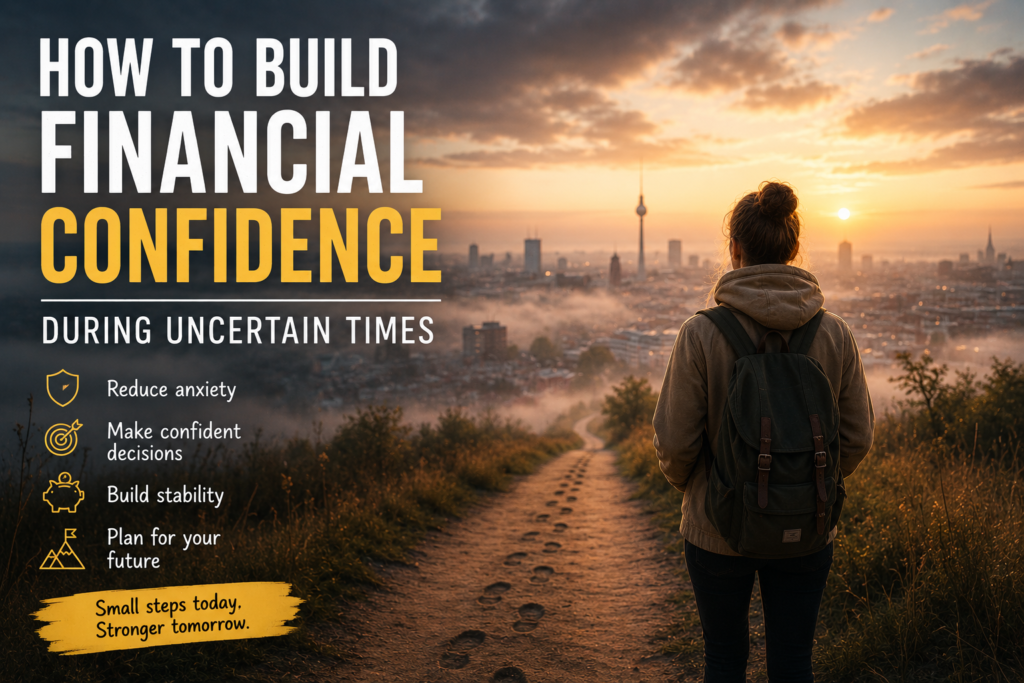
Financial confidence means trusting yourself to make choices that support your long‑term goals. It doesn’t require a huge salary or perfect timing—confidence is about feeling secure enough to adapt when life happens. When headlines are bleak and basic expenses keep climbing, believing in your own resilience can feel challenging. This guide explains why financial confidence matters, why uncertainty is so common, and how to build a stronger money mindset without unrealistic promises.
Why Financial Confidence Matters
Confidence influences every aspect of your money life. When you trust yourself, you make decisions thoughtfully instead of reactively. Confidence reduces stress, makes budgeting feel less like deprivation and encourages you to plan further ahead. Emotionally, it can be the difference between constant worry and calm. Crucially, financial confidence is not the same as being wealthy or never making mistakes. It’s about knowing you can handle the inevitable ups and downs—whether you’re paying rent, investing or negotiating a raise.
Why Confidence Often Comes After Difficulty
Confident people aren’t born with perfect track records. They earn trust in themselves by working through hard moments — a job loss, a surprise bill or an investment that didn’t pan out. Sometimes people are not buying the cheapest option because it is the best choice. They are buying it because it feels safer. Take Jana, a 29‑year‑old marketing professional in Berlin. When her employer went through layoffs, she lost her job and watched her savings dwindle. At times she felt financially trapped, but she leaned on a clear budget and gradually regained stability. She sent out applications, took freelance gigs and cut back on expenses until she found a new role and slowly rebuilt her emergency fund. Recovering from that setback showed her that mistakes and misfortune are part of life and that she can bounce back. Confidence often comes from proving to yourself that you can recover. Even small wins — like paying off a lingering bill or negotiating a salary increase — remind you that resilience grows each time you pick yourself up.
Another example comes from Lukas, a 32‑year‑old graphic designer living in Cologne. After a health issue forced him to step away from freelance work for several months, his savings dwindled and his confidence shattered. He felt embarrassed asking friends for help and worried he would never catch up. Slowly, he picked up small projects, rebuilt his emergency fund and learned to prioritise his wellbeing. By focusing on what he could control — his skills, his network and his spending habits — Lukas regained trust in himself. His story shows that setbacks are a normal part of life and that rebuilding slowly can lead to a deeper sense of resilience.
Why So Many People Feel Uncertain About Money
Living costs have outpaced wages for years in much of Germany and Europe. In cities like Berlin, Hamburg, Cologne and Munich, rent and energy bills can consume a large share of your income. A modest one‑bedroom flat often costs more than many can comfortably afford, and utilities, groceries and insurance keep climbing. Meanwhile, many young adults work on probation or fixed‑term contracts and worry about job security. These pressures make it hard to get ahead and create uncertainty even for careful savers.
It’s no wonder that many people feel financially exhausted and worry about future insecurity. Recognising that these pressures are a collective challenge—not a personal failure—can be the first step toward rebuilding confidence. If saving money in Germany feels impossible because rent, food and health insurance eat up so much of your paycheck, remember you’re not alone. You’re navigating a system where stability is harder to achieve and costs are outside your control.
The Difference Between Financial Confidence And Financial Perfection
Confident people aren’t perfect. They don’t know every nuance of tax law or play the markets flawlessly. What sets them apart is their willingness to learn and adjust. They trust that they can handle problems when they arise, and they acknowledge that progress matters more than perfection. Constantly comparing yourself to others can make you feel like you’re feeling financially behind or that you should have achieved more by now. Social media often magnifies this by showing only highlights.
Remember that everyone’s starting point and circumstances are different. Instead of chasing a fantasy version of success, focus on building a life that feels sustainable and aligned with your values. Sometimes this means choosing stability over ambition for a period of time. Other times it means taking calculated risks because you believe in your ability to recover. Confidence comes from trusting your decision‑making process, not from never making mistakes.
Why Comparing Yourself Destroys Confidence
It’s tempting to measure your life against friends buying homes or getting promotions. Social media can amplify the sense that everyone else is racing ahead while you’re standing still. But constant comparison erodes your sense of progress. Watching someone buy an apartment in Hamburg or take expensive holidays can leave you feeling financially behind, even if you’re making steady progress toward your own goals. And when you see peers announce new jobs or salary raises, you might feel guilty spending on small joys, leaving you financially exhausted trying to keep up.
Confidence grows when you focus on your own progress instead of someone else’s timeline. Unfollowing accounts that trigger envy, celebrating milestones like building an emergency fund or paying off debt, and reminding yourself that financial journeys are not identical can help. Remember that behind every success story there are unseen challenges. Comparing yourself to a curated highlight reel only undermines the trust you’re building in your own resilience.
Small Wins Build Financial Confidence
Confidence doesn’t appear overnight; it grows through repeated small wins. Start by tracking your spending so you know where your money goes. Create a budget that reflects your actual expenses and values rather than strict formulas. Pay off high‑interest debt in small steps and celebrate progress along the way. Automate savings—even €20 per month builds momentum. These habits slowly shift your mindset from reactive to proactive. They also remind you that you have more control than it might seem. Over time, consistent small actions move you from feeling financially trapped to becoming financially stable.
Why Emergency Funds Create Peace Of Mind
An emergency fund isn’t just a number; it’s a buffer that protects you when life throws a curveball. Having a reserve—even if it’s enough to cover only one month of expenses—makes it easier to face unexpected bills or job changes without panic. You don’t need to aim for a massive sum right away. Start with a realistic goal, such as saving the equivalent of one month’s rent and utilities. Then build gradually. The key is that an emergency fund provides flexibility: if your washing machine breaks or your contract isn’t renewed, you have breathing room. That cushion supports confidence because it reduces the fear that one mistake or setback will derail everything.
How To Stop Second‑Guessing Every Financial Decision
Overthinking can drain more energy than the decision itself. Decision fatigue occurs when the volume and complexity of choices leave you physically, mentally and emotionally depleted, leading to impaired judgment. It’s more likely when you face uncertainty or perfectionism. To counter this, set clear guidelines for yourself. Decide in advance how much you’re comfortable spending on non‑essentials or gifts. Choose a budgeting method and stick to it instead of comparing every purchase. Limit the number of accounts, apps or newsletters you follow so you’re not bombarded with conflicting advice. When you feel yourself spiralling into analysis paralysis, take a break. A simple walk or conversation with a friend can reset your brain. If spending makes you uneasy, learning more about spending guilt can help you understand why you hesitate. Above all, trust your plan and give yourself permission to adjust later.
The Role Of Financial Education
Learning about money can boost confidence, but you don’t have to become a finance expert. Start with the basics: understand your take‑home pay, mandatory deductions and recurring expenses. Read books or listen to podcasts about personal finance from voices you trust; avoid those promising overnight wealth. Consider a short course on topics that interest you, such as investing basics or tax planning. The goal is gradual improvement, not mastery. Financial education empowers you to ask better questions and make decisions aligned with your goals.
The Confidence Trap
One of the biggest barriers to growth is waiting to feel confident before taking action. Many people assume that if they just earned more money or hit a certain savings goal, their insecurities would disappear. But confidence is a skill, not a bank balance. You build it by making decisions, learning from outcomes and adapting—not by postponing every move until you feel ready.
When you expect money to solve every insecurity, the goalposts keep shifting. A higher salary brings bigger expenses; a bigger emergency fund creates pressure to save even more. If you always move the target, you never allow yourself to feel secure. Recognise that some uncertainty is inevitable. Taking a course, investing a small amount or negotiating a raise can feel scary, but each step builds the muscle of confidence. Facing financial risk from a position of preparation — not recklessness — helps you realise that growth and caution can coexist. Instead of waiting to “arrive,” practise trusting yourself with manageable risks. Confidence comes from action, not from a number in your account.
Signs Your Financial Confidence Is Improving
Confidence isn’t always obvious. Here are some signs you’re making progress:
- You panic less about unexpected expenses and feel more capable of handling them.
- Your goals become clearer and more realistic.
- You stick to consistent habits like tracking spending or saving automatically.
- You compare yourself less to others and focus more on your own journey.
- You make decisions more calmly and worry less about regretting them.
What To Do When Setbacks Happen
Setbacks are part of life, not a sign that you’re failing. An unexpected vet bill, a gap between contracts or a budgeting mistake can feel like a huge step backward. But these events don’t erase your progress. Use them as information: What could you adjust to make it easier next time? Maybe it’s rebuilding your emergency fund, renegotiating a contract or setting aside a small “mistake fund.” Allow yourself to feel frustrated or disappointed, then refocus on your long‑term path. Remember that resilience is built not when everything goes smoothly but when you recover from difficulties.
Frequently Asked Questions
What is financial confidence?
Financial confidence is the feeling of trust in your ability to manage your finances and adapt to change. It’s about believing you can handle challenges rather than having a certain net worth.
How do I become more confident with money?
Start small: track expenses, create a budget and build an emergency fund. Learn about money gradually and celebrate progress. Confidence grows through repetition and reflection, not one‑time actions.
Can I be financially confident without being wealthy?
Yes. Confidence is about process and resilience, not the size of your bank account. Many people with modest incomes feel secure because they live within their means and have a plan. Conversely, people with high incomes can still feel insecure if they overspend or lack clarity.
Why do I always doubt my financial decisions?
Doubt often comes from information overload and fear of mistakes. Simplify your finances, set personal guidelines and give yourself permission to learn. If decision fatigue is a factor, reduce the number of choices you make each day. Learning about common hurdles such as future insecurity can also shed light on why you might hesitate.
What is the fastest way to improve financial confidence?
There is no shortcut, but small actions build momentum. Automate savings, pay down high‑interest debt and seek trustworthy information. Over time, your consistency will translate into confidence.
Conclusion
Financial confidence isn’t about predicting the future or having all the answers. It’s about trusting yourself to navigate uncertainty and prioritising progress over perfection. By recognising the pressures you face, focusing on small wins and educating yourself gradually, you can build resilience and stability even when the economic outlook seems shaky. Remember: confidence grows one step at a time. Keep moving forward, allow yourself to learn and know that feeling secure is a journey worth taking.
My book on Gumroad:
https://ukandu0.gumroad.com/l/bteyh
Or on Amazon:
Build Financial Clarity
Join the Crown Altessa newsletter and receive:
• the free Financial Foundation Guide
• practical financial frameworks
• strategic decision-making insights
• tools designed to help you think long term about money and stability
If you want calmer, more structured financial thinking in an uncertain world, subscribe below.