

Why Loneliness Is Becoming More Common
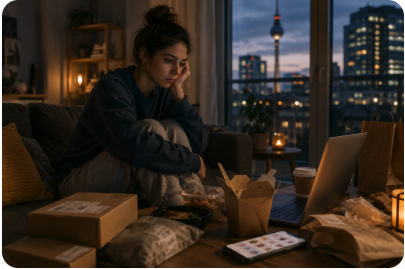
Living alone is no longer unusual in Germany and much of Europe. Young adults move to cities like Berlin, Hamburg or Cologne for work or study only to find themselves isolated in tiny flats. Remote work, often hailed as a perk, can make you feel more disconnected when there is no office chatter or after‑work drinks. Making new friends as an adult is hard, especially if you’ve relocated for a job or study programme. Digital life keeps us constantly connected online yet distant in person; it’s easy to have hundreds of social media connections and no one to have dinner with. For those far from family or community, loneliness becomes a daily reality—even in crowded cities. Acknowledging that loneliness and social isolation are widespread is the first step toward understanding the hidden costs that come with them.
How Loneliness Affects Spending Habits
Loneliness often makes us reach for our wallets. When you come home to an empty flat after a stressful day, it’s tempting to order food delivery rather than cook for one. Emotional purchases—from late‑night online shopping sprees to buying treats at the supermarket—provide a quick mood boost, but they rarely solve the underlying feeling of isolation. Food delivery apps and streaming services become comfort companions, yet their monthly fees quietly add up. Subscription boxes, gaming memberships or impulse clothing purchases can feel like a reward for a hard week. Sometimes you spend simply to fill time or avoid boredom. A lonely Friday night might end with a €25 takeaway because cooking alone feels depressing or a €40 café bill just to be around people on a Saturday afternoon. It’s easy to click “add to cart” and order new clothes after a lonely evening, or to sign up for multiple streaming services to fill the silence at home. Emotional spending isn’t about greed; it’s an attempt to soothe yourself when you feel disconnected. Recognising this link between loneliness and money helps you catch yourself before comfort spending becomes a habit. If overspending is already a problem, our article on overspending habits explains why willpower alone often isn’t enough and how systems can help.
The Link Between Emotional Stress And Money Problems
Financial stress and emotional stress feed off each other. Feeling isolated can sap your motivation to track bills or negotiate better deals. You might avoid looking at your bank account because it triggers anxiety; ignoring bills leads to late fees and more stress. Burnout from work or study often pushes people toward small purchases for relief, even when the budget is tight. Ongoing anxiety can make it hard to focus on long‑term goals such as saving or investing. Eventually, emotional exhaustion turns into avoidance behaviour: unopened bank statements pile up, and you hope that problems will resolve themselves. This cycle of stress spending and avoidance compounds over time, leaving you feeling stuck. Talking openly about financial stress and learning to separate emotions from money decisions can help. Our guide to financial stability offers frameworks to build a calm money routine even when life feels overwhelming.
Why Living Alone Can Become Financially Expensive
Sharing costs with a partner or housemate makes rent, utilities and groceries more manageable. Living alone, on the other hand, means you pay all of these expenses yourself. In cities like Berlin, rent for a small flat can easily reach €1 050 per month; in Hamburg or Munich, it can be even higher. Add €200 for utilities and internet, €280 for groceries and household supplies, and you’re already spending over half of a typical young worker’s net income of around €2 400. Cooking for one often costs more per portion, and food spoils faster. There’s no one to split the Deutschlandticket or share the cost of a car. Being alone can also encourage more isolation spending: you might subscribe to multiple streaming services or order takeout just to avoid silence. Without economies of scale, loneliness becomes a financial burden as well as an emotional one.
Why Weekends Can Become Expensive When You Feel Alone
Weekends can be the hardest time for people living alone. When the workweek structure falls away, the hours stretch on and it’s easy to feel adrift. Many young adults spend money just to get out of the house and feel connected to others. A quiet Saturday might turn into a trip to a shopping centre where you buy things you don’t really need simply to have something to do. You might spend €40 at a café or bar just to be around people, or pay surge pricing for a delivery app because cooking for yourself feels too lonely. There’s subtle social pressure to have plans: seeing friends post about brunch or parties makes you want to avoid staying in, even if it strains your budget. It’s important to distinguish between intentional social spending—like meeting a friend for coffee because you value the connection—and loneliness spending, where the aim is to fill an emotional gap. Knowing this difference helps you plan weekends that are both enjoyable and financially sustainable.
The Social Media Trap
Scrolling through Instagram or TikTok makes it seem like everyone is travelling, dining out and buying new clothes. Friends post photos from weekend trips to Barcelona, rooftop bars in Berlin and brunches in Hamburg, while you’re at home counting euros. What those posts don’t show are the credit card bills, personal loans or buy‑now‑pay‑later debt that often fund those lifestyles. Feeling left out can push you to spend more than you planned on meals out, festivals or new outfits. Social media also creates pressure to keep up appearances—a new phone, trendy clothes or high‑end makeup—so you look successful. Remember that images online are carefully curated; comparing your everyday life to someone else’s highlight reel leads to unnecessary financial stress. If seeing other people’s spending triggers anxiety or overspending, take a break from these platforms or unfollow accounts that make you feel inadequate. You can also learn how to stop feeling financially behind in our article on feeling financially behind.
Signs Loneliness Is Affecting Your Finances
Loneliness and spending often go hand in hand. If you notice any of these behaviours, loneliness may be influencing your wallet:
- Frequent impulse purchases, especially late at night or after stressful days.
- Ordering food delivery or takeaway several times a week to avoid cooking for one.
- Subscribing to multiple entertainment services as a way to fill your evenings.
- Shopping online or in stores to combat boredom or sadness.
- Avoiding your banking app or credit card statements because they trigger anxiety.
- Rewarding yourself with unnecessary items after a long, lonely day.
Recognising these patterns is a first step toward separating emotional needs from financial decisions.
Practical Ways To Protect Your Finances
Loneliness doesn’t have to derail your finances. Start by creating a basic budget that tracks your income and expenses. Use an expense tracking system to see exactly where your money goes. Reduce emotional purchases by waiting 24 hours before buying non‑essentials; often the urge fades. Cook at home more often: preparing simple meals for one is cheaper and healthier than ordering out. Cancel or pause subscriptions you don’t use and be cautious with buy‑now‑pay‑later schemes. Find low‑cost hobbies—walking in a park, reading, journalling or learning a language—that provide enjoyment without high spending. Try to separate money decisions from emotional states: if you’re sad, call a friend or take a walk before reaching for your wallet. Adopt a personal finance system that automates savings and bill payments so that your basic needs are covered without constant decision‑making. Learning how to stop overspending through system‑based habits can help; our post on overspending habits explains how to set up those structures.
Affordable Ways To Feel More Connected
Connection doesn’t have to be expensive. Many German cities offer low‑cost or free community activities. Volunteering with local charities or food banks introduces you to people with similar values. Sports groups or running clubs provide routine social interaction and keep you active. Language exchanges let you practise German or another language while meeting new people. Local clubs, book clubs or craft workshops at the Volkshochschule are inexpensive ways to engage with your community. Walking groups or hiking meet‑ups are free and offer a change of scenery. Board‑game nights, community gardening projects and neighbourhood festivals are all opportunities to socialise without breaking your budget. Building a social network slowly reduces loneliness and diminishes the urge to spend for company.
Frequently Asked Questions
Can loneliness affect spending habits? Yes. Loneliness often leads to emotional spending—impulse buys, food delivery and subscription services that serve as distractions. Recognising this connection helps you make more mindful choices.
Why do people spend money emotionally? Emotional spending is a coping mechanism. Buying something new provides a short‑term mood boost that temporarily relieves feelings of stress, sadness or boredom.
Is emotional spending common? Very. Research suggests that a large portion of unplanned purchases stems from emotional responses, and it affects people of all ages and incomes.
How can I stop stress spending? Track your spending, wait 24 hours before non‑essential purchases and find non‑financial ways to cope with emotions—such as talking to a friend, exercising or engaging in a hobby.
Does loneliness increase financial stress? Yes. Being isolated can make expenses feel heavier because there is no one to share costs with and no built‑in support system. It can also encourage you to spend more on comforts or distractions, leading to further financial strain.
Conclusion
Loneliness is more common than many people realise, and it often has a silent price tag. Emotional spending, impulse buys and the financial burden of living alone can add up quickly. Recognising this hidden link between isolation and money problems is the first step toward change. Loneliness doesn’t mean you are failing—it means you’re human in a modern world that makes connection difficult. Loneliness does not make you bad with money; it makes money decisions more emotional. Once you understand that pattern, you can protect your finances without ignoring your need for connection. You can rebuild stability gradually: track your spending, reduce emotional purchases, build a small emergency fund and seek low‑cost ways to connect with others. Progress is slow but real, and consistency matters more than perfection. By understanding the financial cost of loneliness and taking small, practical steps, you can protect your finances and nurture a healthier, more connected life.
My book on Gumroad:
https://ukandu0.gumroad.com/l/bteyh
Or on Amazon:
Build Financial Clarity
Join the Crown Altessa newsletter and receive:
• the free Financial Foundation Guide
• practical financial frameworks
• strategic decision-making insights
• tools designed to help you think long term about money and stability
If you want calmer, more structured financial thinking in an uncertain world, subscribe below.