

Introduction
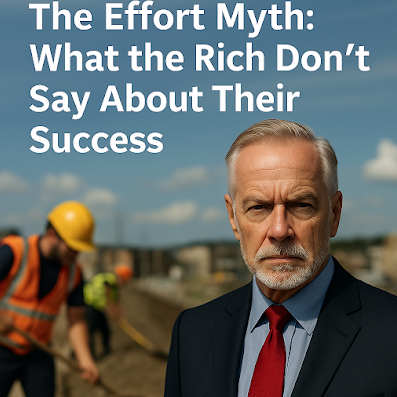
Why do some people work two jobs and still struggle while others seem to vault ahead? Most investors and workers never become rich because they rely on effort alone. A July 2025 Wall Street Journal/NORC survey found that nearly 70 % of Americans believe that hard work no longer guarantees success. This article answers the question “Does hard work make you rich?” and explains the hidden drivers of wealth—like luck, leverage and access to opportunities. You’ll learn what actually makes a difference and how you can apply those insights to your own finances.
Does Hard Work Make You Rich?
Hard work matters. It builds skills, earns income and opens doors. But by itself, it won’t make you wealthy. Many people put in extra hours just to avoid layoffs, not because overtime will make them millionaires. Wealthy families emphasise effort publicly while quietly relying on capital, networks and safety nets. Without those advantages, work alone doesn’t translate into lasting wealth. To build serious assets, you need more than a paycheck—you need ownership, leverage and access to opportunities.
Why Hard Work Isn’t Enough
Hidden advantages the wealthy don’t mention
Elites often tell stories about humble beginnings, but those narratives leave out key details. Many enjoyed family capital, elite education, insider knowledge and supportive networks. If their ventures failed, they could fall back on savings or family resources. For most people, failure means unemployment or debt, not a lesson learned.
Other examples illustrate how luck intertwines with effort:
- Bill Gates was born into a well‑connected family, attended an elite school with early access to computers, and landed Microsoft’s first contract through his mother’s corporate connections.
- Mark Zuckerberg grew up in a wealthy household, had private programming tutors and developed Facebook within the supportive network of Harvard.
- Elon Musk could take big risks because his family owned an emerald mine; failure would cost money, not leave him homeless. He had a safety net when others didn’t.
These stories aren’t meant to diminish hard work, but to highlight that effort without leverage rarely leads to wealth.
How Luck Shapes Success
Economists at the University of Catania ran a simulation of wealth distribution and found that the richest individuals were not the most talented but the luckiest. Roughly 20 % of people ended up owning 80 % of the wealth, even though talent was evenly distributed. Investor Warren Buffett calls this reality the “ovarian lottery”—crediting much of his success to being born in the right time and place. Buffett points out that his skills would have been worthless if he’d been born millions of years earlier.
Luck is also evident in modern opportunity distribution. Human Act notes that many billionaires were born into wealth, had unique educational access, or benefited from exclusive social networks. Inheritance compounds this advantage: more than $70 trillion is expected to be passed down globally in the next decade, and the top 1 % captured 41 % of new wealth between 2000 and 2024. Clearly, starting point and timing matter just as much as effort.
What Actually Helps People Build Wealth
If effort and luck alone don’t guarantee wealth, what does? Practical leverage—the ability to earn beyond your own labor—combined with knowledge and networks. Here are key principles you can apply:
Leverage through assets and business
Trading hours for wages caps your earnings. Wealthy individuals buy or build assets that grow in value: businesses, rental properties, intellectual property or diversified portfolios. Start by creating something that earns repeatedly—a blog, an online product or a small service company. Even small income streams can compound over time.
Ownership over labor
Prioritise buying shares of appreciating assets instead of spending everything you earn. Invest in stocks, real estate or a business rather than solely relying on wages. Negotiate for equity or profit‑sharing if possible. Ownership, not labor, is what builds generational wealth.
Build your network
Opportunities often come through people. Surround yourself with those who think long‑term and share opportunities. Join online communities, attend industry events or find mentors. Human Act observes that many entrepreneurs succeed because they belong to elite social networks.
Invest in financial education
Knowledge is leverage. Learn about taxation, investing and asset protection rather than relying on generic advice. Understanding tax laws and legal structures can legally reduce liabilities and preserve gains. Our guides to budgeting, saving, and investing can help you build a foundation.
Use systems
Establish routines and rules that remove emotion from money decisions. Set up automatic transfers to savings and investments; define when you’ll buy or sell; and review your finances regularly. Systems make discipline easier and reduce the chance of impulsive mistakes.
Why Some People Get Rich Faster Than Others
Success isn’t just about how hard you work—it’s about where you start and what tools you have. People born into wealth enjoy access to capital, influential networks and high‑quality education. They can invest earlier, take bigger risks and recover from mistakes. Meanwhile, those without these advantages may spend years paying off debts or supporting family members before they can save.
Compounding widens this gap. Imagine two people each earn €40 000 annually. One inherits €100 000 at age 25 and invests it; the other does not. Even if both work equally hard, the one with initial capital benefits from decades of compound growth. Studies show that the top 1 % captured 41 % of new wealth in recent decades, leaving little for everyone else. Recognising these disparities isn’t about making excuses—it’s about designing a strategy that acknowledges reality.
Conclusion
Hard work is important, but it isn’t a magic key to riches. Wealth comes from a blend of effort, leverage, luck and smart choices. Most people who become rich do so because they own assets, access opportunities and benefit from timing—not just because they grind longer hours. Instead of chasing hustle myths, focus on building leverage: invest in yourself, create assets, cultivate networks and learn the rules of the game. With realistic expectations and disciplined action, you can build your own path to financial resilience—no trust fund required.
Related Resources
- How to Protect Your Assets and Avoid “Sudden Wealth” Pitfalls
- The Hidden Cost of Emotional Money
- 10 Essential Budgeting Tips for Financial Success
- From Poverty to Wealth: A Personal Finance Guide
- How to Track Your Expenses
By learning the real rules and investing in your own capabilities, you can break free from the effort myth and create genuine financial resilience.
My book on GumRoad: How Personal Finance Made Simple Can Transform Your Future
Or on Amazon:
Build Financial Clarity
Join the Crown Altessa newsletter and receive:
• the free Financial Foundation Guide
• practical financial frameworks
• strategic decision-making insights
• tools designed to help you think long term about money and stability
If you want calmer, more structured financial thinking in an uncertain world, subscribe below.