
Money has always carried both practical and emotional weight. For previous generations, certain milestones—owning a home, climbing a single career ladder, retiring with a generous pension—signalled that you had “made it.” Today, many people feel those markers are out of reach. Young adults in Germany and across Europe often struggle to reconcile modern realities with the expectations they grew up with. Rising living costs, precarious work contracts and constant comparison online create a sense that traditional success is slipping further away.
This article explores why financial success no longer looks the same, explains how economic conditions have changed, and suggests new ways to think about prosperity that feel psychologically healthy and attainable.
How Previous Generations Defined Financial Success
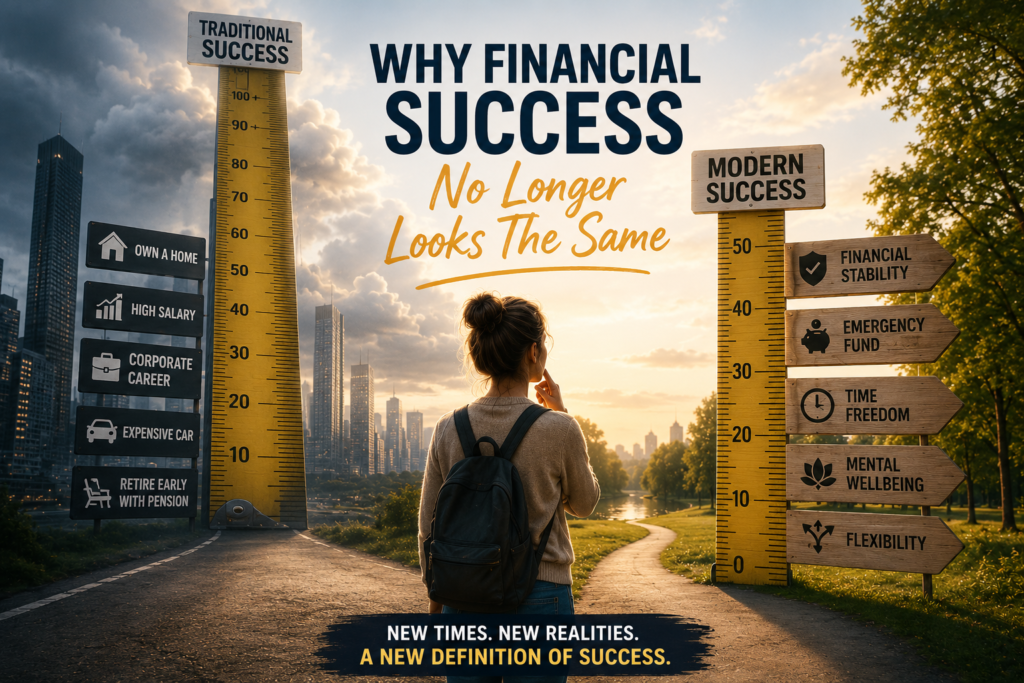
For decades, financial success followed a fairly linear script. People finished school, secured a stable job and began saving for a deposit. Home ownership was a cornerstone of wealth building and a sign of adulthood. Career advancement often meant spending decades at one company, collecting promotions and gradually increasing income and status. Many could expect an employer‑funded pension that made retirement feel safe. Upward mobility was the norm; each generation believed it would be better off than the last.
Those markers still matter to many, but the world that created them has changed dramatically. Real estate prices have risen much faster than wages in many regions, making it harder for younger generations to buy homes. Stable, long‑term employment is increasingly rare: younger workers are more likely to hold fixed‑term contracts and miss out on benefits like short‑time work allowances during crises. These shifts mean that following the same path as your parents does not guarantee the same results.
Why Financial Milestones Take Longer Today
Housing costs and inflation
High housing costs are a defining challenge for today’s young adults. Real estate prices in Germany’s metropolitan regions have skyrocketed over the last decade, and rents have climbed even faster than purchase prices. In cities such as Berlin, Hamburg, Cologne and Munich, rent and ancillary costs often consume more than half of monthly incomes. With wages growing slowly, it now takes much longer to save for a deposit or to meet the equity requirements that banks expect from first‑time buyers. Even renters face stiff competition and long waiting lists for apartments.
Inflation also erodes purchasing power. The German Federal Statistical Office notes that inflation and energy prices continued to rise in 2026. Instead of quoting percentages, think about how it feels: groceries, public transport and utilities all cost more, squeezing budgets from every direction. This makes it harder to contribute to savings or investments and pushes major milestones further into the future.
Labour market uncertainty
Young adults are navigating a different labour market than their parents. Short‑term contracts, probation periods and gig work are common. Changing jobs frequently can build skills and adaptability, but it also disrupts income stability and makes it difficult to plan for big commitments like purchasing a home. Job security is no longer guaranteed, and the fear of unemployment contributes to a constant sense of future insecurity.
Education and debt
Higher education has become more accessible but also more expensive. Many young professionals enter the workforce with student loans that slow down wealth building. While education can lead to higher earnings, not all degrees provide a clear financial return. The need to service debt while coping with high living costs means that savings goals—such as building an emergency fund or investing—take longer to achieve.
Why Comparing Yourself To Previous Generations Can Be Misleading
It’s natural to measure progress against the experiences of parents or grandparents, but doing so can be unfair to yourself. Economic conditions have changed profoundly in recent decades. Older generations bought homes when property prices were lower relative to incomes. Permanent employment with pensions was more common, and social safety nets were stronger. Today’s young adults in Germany face higher housing costs, a more competitive rental market and jobs that offer less security. Student debt and higher living expenses further widen the gap.
Using a framework built for a different era can lead to feelings of failure or being financially behind. It’s like comparing a marathon runner to a sprinter: both are running, but the terrain and goals are different. Recognising these structural shifts can make personal setbacks feel less like personal flaws and more like reflections of broader economic realities.
The Hidden Pressure Of Traditional Success
Society still glorifies traditional success, often without acknowledging how much the landscape has changed. Watching friends buy houses or share career milestones on social media can create a sense of inadequacy. Advertisements and social narratives equate status with certain possessions or lifestyles. This comparison culture fuels anxiety and pushes people to chase markers that may not align with their actual needs.
The pressure to “catch up” can be overwhelming. For instance, a couple renting a small apartment in Hamburg might feel ashamed that they haven’t bought a house yet, even though high prices make ownership unrealistic. A professional in Cologne may feel like a failure because they’re not a manager by thirty, ignoring that the job market has become more fragmented. This hidden pressure can lead to emotional exhaustion and feeling financially exhausted, especially when combined with rising costs and unpredictable income.
Why Ambition Feels Riskier Today
Ambition hasn’t disappeared, but it now carries heavier risks. Changing careers, launching a business or investing in volatile markets can lead to growth, but they also involve stepping away from whatever stability you’ve managed to build. When housing and living costs are high and job security is fragile, many worry that a wrong move could jeopardise basic security.
The pandemic, energy crises and economic shocks have taught people how quickly circumstances can change. For example, small businesses in Berlin and Munich faced abrupt closures during lockdowns, and freelance incomes evaporated overnight. Surveys indicate that many workers plan to stay in their current roles due to fear and uncertainty. Ambition still exists, but people are more aware of the financial risk involved in big decisions and are careful not to gamble away hard‑won stability.
Why Failure Feels More Expensive Today
Failure has always been part of growth, but the stakes feel higher now. Losing a stable income in a city where rent already consumes a large portion of your pay can quickly eat through savings. Rebuilding after a setback—whether it’s a failed business, a career change gone wrong or a lost job—now involves fighting through higher living costs, stricter lending requirements and tougher job markets. Recovering from mistakes feels more difficult when rents and energy bills keep climbing and when you know it could take months to find affordable housing again.
Sometimes the fear is not failure itself. It is the thought of losing years of progress and having to start over. A person who has spent five years building an emergency fund and edging closer to home ownership may hesitate to invest in a start‑up idea because the risk of losing their savings outweighs the potential reward. Ambition can be exhilarating, but when the cost of failure includes losing your flat or depleting your savings, it’s understandable that many choose caution.
The Emotional Appeal Of Stability
Security isn’t synonymous with complacency. Predictable income, a familiar routine and a safe home create emotional safety that many crave after years of uncertainty. For those who have faced layoffs, health crises or financial instability, stability offers peace of mind. It allows you to sleep better at night, plan for the future and enjoy your life without constant fear of the next crisis.
Many people are not chasing less from life. They are simply trying to protect what they have already built. Emergency funds, supportive careers, healthy relationships, secure housing and routines that support well‑being are hard‑won. Letting go of those foundations to pursue bigger titles or riskier ventures may not feel worthwhile. Protecting what you’ve built—whether it’s a small savings cushion, a fulfilling job or a stable living situation—can be a rational and emotionally intelligent choice.
When Peace Of Mind Becomes The Real Goal
At some point, many people realise that peace of mind is more valuable than constant achievement. Lower stress, predictable schedules and better work‑life balance contribute to overall well‑being. A banker in Munich might trade the prestige of a bigger role for fewer hours and more time with family. A tech worker in Berlin might refuse a relocation because they value stability and community over a bigger salary. These choices are not about laziness; they are about prioritising mental health and emotional stability.
Our culture often equates success with more—more money, more responsibility, more recognition. But for those who have experienced burnout or seen loved ones struggle under the weight of ambition, enough can be enough. A predictable routine and the ability to sleep well can outweigh the allure of constant growth. Recognising that peace of mind is a valid goal helps reframe decisions that once seemed like “settling” into choices that honour personal well‑being.
When Burnout Changes Your Priorities
Long hours, hustle culture and the pressure to monetise every hobby have left many people feeling drained. Burnout doesn’t just sap energy—it shifts values. People who once thrived on productivity may find themselves questioning the point of relentless striving. The pandemic exacerbated feelings of exhaustion, as work and home life blurred and support systems were strained. Burnout often changes not only how much people work, but also what they believe success should look like. Instead of juggling multiple side hustles, some choose simpler lifestyles to protect their mental health. The desire for a slower pace is a powerful force behind the growing appeal of stability.
How Social Media Distorts Financial Success
Online, success often looks glamorous and instantaneous. Influencers promote luxury lifestyles, while entrepreneurs broadcast their triumphs without showing the years of struggle. This survivorship bias creates the illusion that everyone except you is thriving, leading to feelings of inadequacy and future insecurity. Social media rarely shows the sacrifices behind apparent wealth: the debt taken on, the personal relationships strained or the luck involved. As a result, young adults can fall into a comparison trap, chasing ideals that are neither realistic nor necessarily desirable. Limiting exposure to these curated feeds or remembering that they are highlight reels can ease the pressure.
Signs Your Definition Of Success Is Changing
Your relationship with success may be evolving if you notice these shifts:
- You value stability and predictable income over rapid advancement.
- You prioritise flexibility, such as remote work or setting your own schedule.
- Mental health and well‑being become more important than status.
- Time freedom and meaningful experiences matter more than accumulating possessions.
- You care less about impressing others and more about living in alignment with your values.
What Financial Success Might Look Like Today
Modern financial success is less about hitting universal milestones and more about creating a sustainable, fulfilling life. It might include:
- Resilience: An emergency fund and flexible skills help you weather economic shocks.
- Financial confidence: You understand your cash flow, debts and investments, and make decisions that align with your goals.
- Lower stress: Your finances support your mental and physical health instead of undermining them.
- Sustainable finances: You avoid overextending yourself and commit to saving and investing steadily, building financial stability over time.
- Long‑term planning: You have realistic goals and the patience to achieve them gradually.
Can You Redefine Success Without Lowering Your Standards?
Absolutely. Redefining success doesn’t mean abandoning ambition; it means aligning it with your values and circumstances. Ambition can take many forms: learning new skills, investing in personal growth, building a career that fits your lifestyle or contributing to your community. You can still pursue promotions, start businesses or invest in property. The difference is that you do so from a place of intentionality and self‑knowledge. Recognising the broader economic context and your personal priorities allows you to set expectations that are both challenging and compassionate. Choosing stability in some areas can provide the foundation needed to take strategic risks in others. Success is not a one‑size‑fits‑all goal—it’s a personal journey that can evolve with time. Redefining success does not mean lowering expectations. It means measuring progress against your own circumstances instead of someone else’s timeline. A goal that takes ten years instead of five is still a meaningful achievement.
Frequently Asked Questions
What is financial success today?
It is increasingly defined by resilience, stability and alignment with personal values rather than purely by wealth or status. Building an emergency fund, managing debt and prioritising well‑being can be just as important as income or assets.
Why does success feel harder to achieve?
High living costs, student debt, insecure jobs and inflation make milestones like home ownership or debt‑free living more challenging. Comparing yourself to previous generations can magnify these feelings.
Is home ownership still important?
Many people still dream of owning a home, but it’s not the only marker of success. Renting can offer flexibility, and some choose to prioritise investing or experiences instead. The key is making decisions that suit your circumstances rather than following outdated norms.
How can I stop comparing myself to others?
Remind yourself that economic conditions vary widely. Focus on your own goals, cultivate gratitude for what you have and limit exposure to social media that triggers comparison. Remember that personal progress is influenced by factors beyond your control.
What should I focus on financially?
Start with the basics: build an emergency fund, manage debt, track your spending and invest in your skills. Set realistic goals and celebrate small wins. Consider speaking with a trusted advisor if you feel overwhelmed.
Conclusion
Traditional markers of financial success like home ownership and lifelong careers are harder to reach in today’s economy, but that doesn’t mean success is out of reach. By focusing on resilience, stability and personal values, you can redefine what prosperity means for you. Economic uncertainty is a reality, yet you can still build a life that feels secure and satisfying. Success today is less about replicating the past and more about creating a future that matches your unique circumstances.
My book on Gumroad:
https://ukandu0.gumroad.com/l/bteyh
Or on Amazon:
Build Financial Clarity
Join the Crown Altessa newsletter and receive:
• the free Financial Foundation Guide
• practical financial frameworks
• strategic decision-making insights
• tools designed to help you think long term about money and stability
If you want calmer, more structured financial thinking in an uncertain world, subscribe below.