


Introduction
Most people have tried budgeting at least once, only to quit a few weeks later. Traditional budgets are designed to restrict every euro you spend, and that’s why they fail. They feel like punishment systems that focus on cutting everything you enjoy. You end up feeling guilty and overwhelmed, so you give up. This article will show you a different way. If you’ve tried budgeting before and gave up, you’re not alone. We’ll break down why most budgets don’t stick and give you a simple, flexible system to create a budget that works for real life.
Why Most Budgets Fail
Budgets fail when they try to control every decision instead of making money management automatic. Traditional plans rely on willpower, forcing you to track every purchase and cut out all the fun. That creates guilt and decision fatigue. Research shows that when budgeting feels like deprivation, you abandon it quickly. Manual transfers and daily money decisions also drain mental energy. And when a budget isn’t connected to your goals, every restriction feels arbitrary. To succeed, you need a system that works with human behaviour: simple categories, automation, and a clear purpose.
Step 1: Know Your Real Income
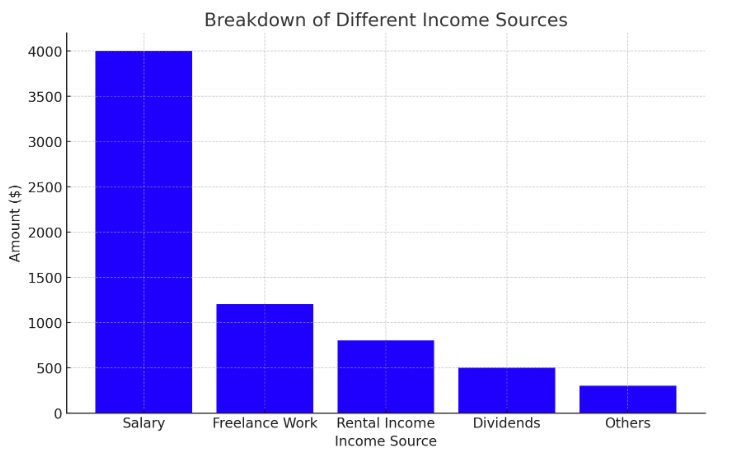
Start by knowing exactly how much money you have to work with. List all sources of income—your salary, freelance work, side gigs, rental income, child support or government benefits. If your income varies, use the average of the last six months. Don’t overestimate; it’s better to budget with a conservative figure than to plan for money you may not receive. This number is the foundation of your budget, so make it as accurate as possible.
Step 2: Track Your Spending
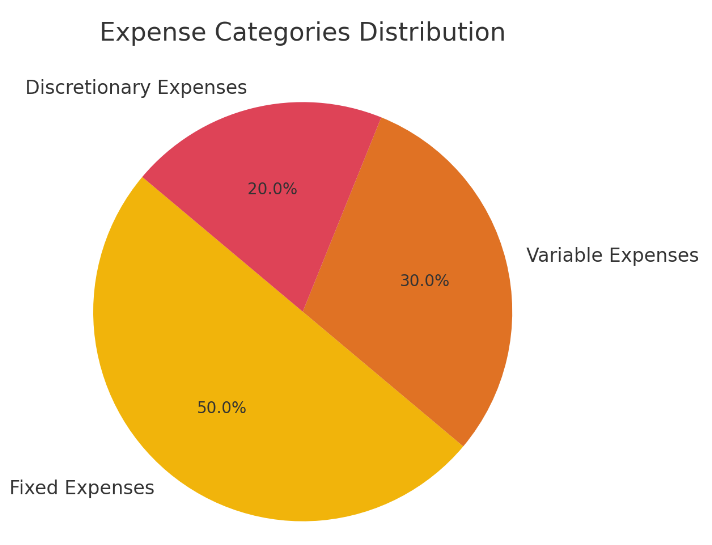
Next, track where your money goes. Break your expenses into three categories:
- Fixed expenses: rent or mortgage, utilities, insurance and loan payments. These amounts don’t change much month to month.
- Variable expenses: groceries, transportation, entertainment and dining out. These fluctuate and often hide spending leaks.
- Discretionary expenses: hobbies, subscriptions and other non‑essentials. These are easiest to cut when necessary.
Use a spreadsheet or a budgeting app to record every purchase. Logging your spending may feel tedious at first, but it creates awareness. If you prefer a guided approach, our step‑by‑step expense tracking guide offers tools and tips. The goal isn’t perfection—it’s to see patterns so you can make informed decisions.
Step 3: Use a Simple Method
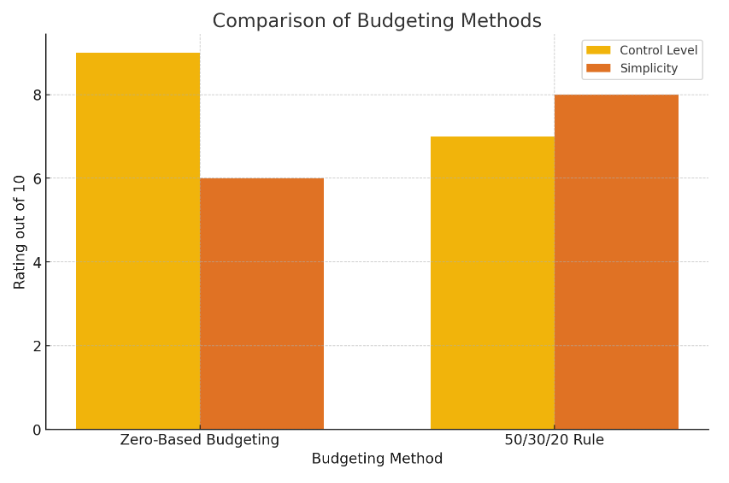
Choose a budgeting method that is easy to follow. The 50/30/20 rule is a good starting point: allocate 50% of your income to needs (housing, utilities, food), 30% to wants (dining out, hobbies) and 20% to savings or debt repayment. If your needs exceed 50%, adjust the percentages while still prioritising savings. You can learn more in our detailed article on the 50/30/20 rule. The key is to pick a framework that feels doable—you can always refine it as you go.
Step 4: Adjust for Real Life
Budgets must be flexible. Unexpected expenses like car repairs or medical bills will happen, and life changes—such as a new job or move—require adjustments. Review your budget every month and refine your categories. If your rent or groceries are higher than expected, reduce spending elsewhere. Build in some “fun money” so you don’t feel deprived. You can also automate savings so you don’t have to rely on willpower. For example, set up an automatic transfer to your savings account right after each payday; this way you’re saving without thinking.
Step 5: Stick to Your Budget
Consistency matters more than perfection. Automate your bills and savings contributions whenever possible, so you aren’t tempted to skip them. Schedule a monthly check‑in to compare your spending against your plan. Celebrate small wins—like staying under budget on dining out for two weeks—instead of beating yourself up over a minor slip‑up. If you overspend one month, adjust your budget instead of abandoning it. Over time, these habits turn budgeting into a supportive system rather than a chore. For long‑term goals like an emergency fund or retirement, you can explore our guides on creating a savings plan and building an emergency fund for deeper strategies.
Common Budgeting Mistakes
Even a simple plan can go off track. Watch out for these common pitfalls:
- Overspending on non‑essentials: Dining out or shopping can easily exceed your planned amount. Keeping these categories realistic makes them easier to follow.
- Ignoring irregular expenses: Annual car insurance, holiday gifts and vehicle maintenance need to be part of your plan. Set aside a small amount each month so these costs don’t derail you.
- Tracking too many categories: Trying to micromanage every coffee can create decision fatigue and make you abandon your budget. Keep it simple.
- Changing everything at once: Drastic lifestyle changes are hard to sustain. Focus on one or two adjustments per month.
- Guilt and shame: Don’t treat your budget as a moral judgement. It’s a tool for making conscious choices, not a measure of your worth.
What This Means for Your Financial Future
Creating a budget isn’t about deprivation; it’s about clarity and freedom. When you know your real income, understand your spending and follow a method you can sustain, you’ll feel more in control. A simple plan helps you build an emergency fund, pay down debt and invest for the future. It also gives you permission to spend on what matters to you. Over time, small consistent habits compound into greater financial stability. Learning to budget well also teaches you discipline that you can apply to larger goals, like buying a home or starting a business.
Conclusion
Most budgets fail because they are too restrictive, too complicated or disconnected from your goals. By focusing on real income, tracking spending, using a simple framework, adjusting for life and sticking with it, you can create a budget that actually works. You don’t have to be perfect—you just have to keep going. When budgeting feels like a supportive tool rather than a punishment, you’re far more likely to succeed.
My book on GumRoad: How Personal Finance Made Simple Can Transform Your Future
Or on Amazon:
Build Financial Clarity
Join the Crown Altessa newsletter and receive:
• the free Financial Foundation Guide
• practical financial frameworks
• strategic decision-making insights
• tools designed to help you think long term about money and stability
If you want calmer, more structured financial thinking in an uncertain world, subscribe below.