


Saving money isn’t just about building wealth. A savings cushion is a source of security and opportunity. It lets you handle unexpected expenses without panic and it gives you options—whether that means covering a medical bill, changing jobs, or taking a dream vacation. The following step‑by‑step framework will help you create a savings plan that’s clear, achievable and resilient.
1. Define Your Savings Goals
Every good savings plan starts with a destination. Having a specific goal motivates you to stick with the plan. The U.S. Consumer Financial Protection Bureau notes that setting a clear savings goal can help you stay on track because it gives you something tangible to work toward. Common goals include:
- Emergency fund – Build a cash reserve for unexpected expenses such as car repairs or job loss. Having a separate emergency fund helps you bounce back quickly without taking on debt.
- Retirement – Save for long‑term security through vehicles like employer‑sponsored retirement plans (401(k)s) or individual retirement accounts (IRAs).
- Major purchases – Plan for large expenses such as a home, car or vacation.
- Education – Set aside money for college or continuing education.
- Debt repayment – Allocate funds toward paying off high‑interest debt to improve your net worth.
Write down your goals and prioritize them. If several are important, start with the most urgent and work down the list.
2. Assess Your Financial Situation
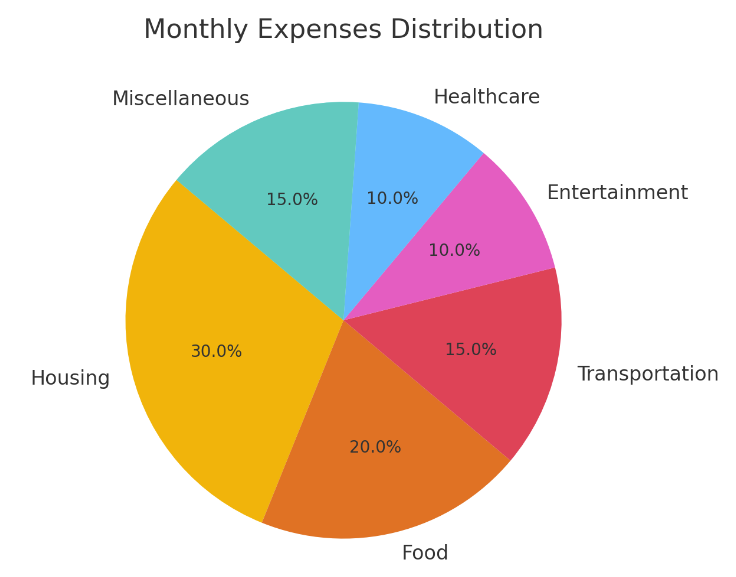
Before you decide how much to save, you need to understand your current finances. The Federal Reserve Bank of St. Louis recommends tracking your spending for at least one month and then sorting expenses into essentials (rent, groceries, transportation, insurance) and non‑essentials (streaming subscriptions, eating out, trendy clothes). This exercise shows where your money is going and how much remains for savings.
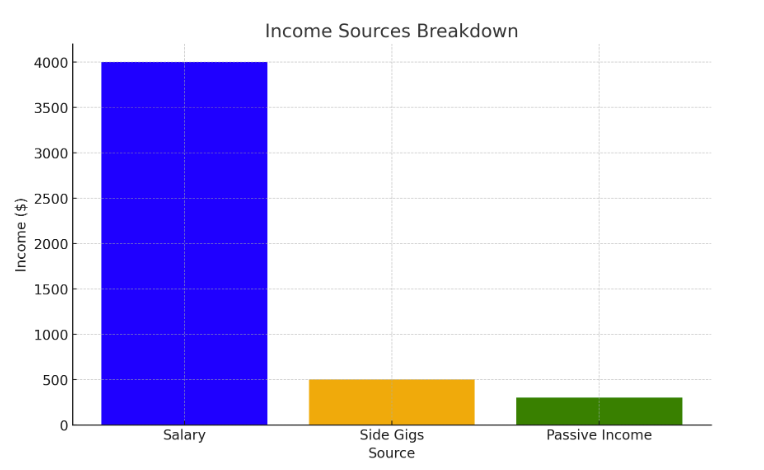
- Calculate your income. Include your salary, freelance or gig earnings, and any passive income.
- Track your expenses. Write down every expense, no matter how small. Seeing the full picture helps you identify leaks in your budget.
- Determine your net income. Subtract total expenses from your total income to find how much you can reasonably allocate to savings each month.
3. Create a Budget
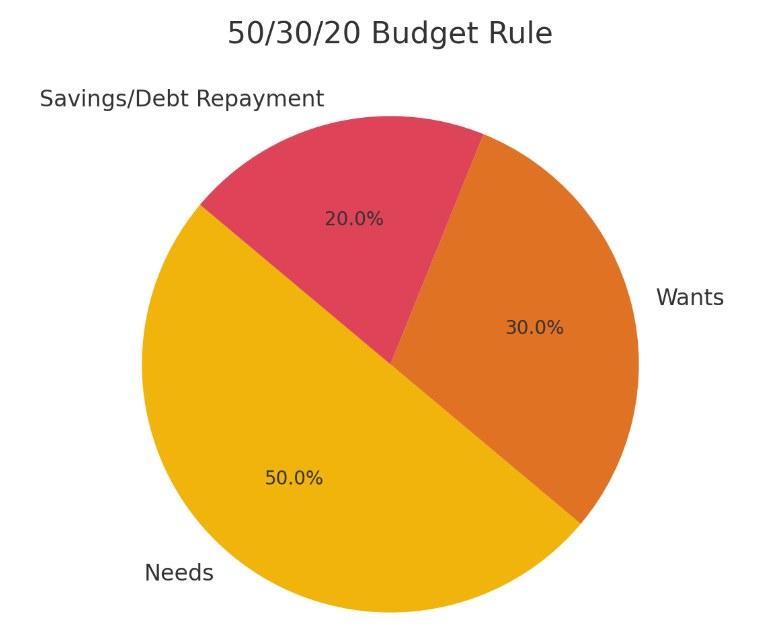
A budget is your roadmap for spending and saving. One popular and simple framework is the 50/30/20 rule, which allocates approximately 50 % of after‑tax income to necessities, 30 % to discretionary spending and 20 % to savings and debt repayment. Financial institutions note that this rule promotes balanced spending and makes it easier to automate savings. You can adjust these percentages based on your circumstances—if your expenses are low, you might save more than 20 %.
To build your budget:
- List all sources of income and all expense categories.
- Allocate a fixed amount or percentage to each category, making sure that savings is treated as a bill, not an afterthought.
- Use budgeting apps or spreadsheets to monitor your spending and make adjustments as needed.
4. Set a Savings Target
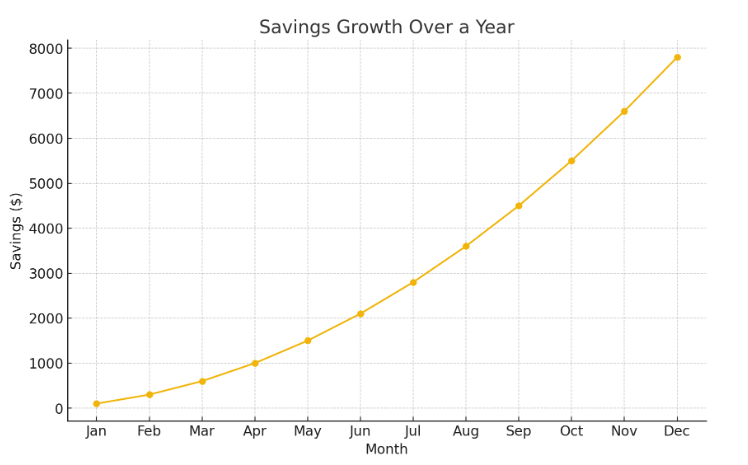
Once you have a budget, decide how much to save for each goal. Financial educators at the St. Louis Fed say experts often recommend saving three to six months of essential expenses to protect against job loss or major setbacks. They suggest breaking down a large goal into smaller milestones—for example, saving $150 every payday to reach a $7,200 emergency fund over two years. To set your target:
- Calculate the total amount needed. For an emergency fund, multiply your monthly essential expenses by three to six months. For other goals like a vacation or car purchase, estimate the cost.
- Set a timeline. Decide when you’d like to reach the goal. A timeline gives structure and helps you calculate the required monthly contribution.
- Break it down. Divide the total amount by the number of months until your deadline. Smaller, regular contributions are easier to sustain and feel less daunting.
If the numbers feel overwhelming, start small. Even €50 or €100 saved consistently makes a difference over time.
5. Choose the Right Savings Accounts
Different savings goals benefit from different types of accounts. Selecting the right place to park your money can increase your returns and encourage good habits.
High-Yield Savings Account
High‑yield savings accounts work like regular savings accounts but typically offer higher interest rates. Vanguard notes that these accounts are FDIC‑insured up to $250,000 and allow easy access without penalties. They are ideal for emergency funds and short‑term goals because they combine safety, liquidity and reasonable returns. However, rates may fluctuate and withdrawals may be limited each month.
Certificates of deposit (CDs)
A certificate of deposit holds your money for a fixed term and pays a guaranteed interest rate. Vanguard explains that CDs generally offer higher fixed rates than regular savings accounts, making them attractive for money you don’t need right away. The trade‑off is limited liquidity; withdrawing funds before the term ends usually results in a penalty. CDs work well when you have a specific savings goal with a firm deadline (such as tuition due in 12 months) and want to lock in a rate.
Retirement accounts
For long‑term goals like retirement, use tax‑advantaged accounts such as 401(k)s, IRAs or Germany’s Riester and Rürup plans. These accounts often include employer matching and tax benefits. Be mindful of contribution limits and withdrawal rules.
6. Automate Your Savings
Automation makes saving effortless. The CFPB notes that setting up automatic recurring transfers from your checking account to your savings account is one of the easiest ways to build consistency. You decide how much and how often money moves, and the transfers happen without willpower. Additional tips include:
- Split your paycheck. Some employers allow direct deposit into multiple accounts. Dividing your paycheck so that a portion goes straight to savings reduces the temptation to spend.
- Mind your balances. Monitor your account to avoid overdraft fees. Set up alerts or calendar reminders.
Making savings automatic ensures you pay yourself first and builds momentum even when life gets busy.
7. Monitor and Adjust Your Plan
Financial plans are not set in stone. Regularly review your progress and adjust your budget when life changes—such as a new job, moving or having a child. The CFPB advises monitoring your savings regularly and celebrating milestones as part of a healthy savings habit. The St. Louis Fed also recommends establishing clear rules on when to tap your emergency fund and redefining what counts as an “emergency” so you don’t spend the money on impulse.
Questions to ask when reviewing your plan:
- Are you meeting your monthly savings targets?
- Have your income or expenses changed?
- Do you need to adjust your timeline or contribution amount?
- Is your money in the right type of account given current interest rates and your goals?
8. Stay Motivated
Saving money requires discipline and patience. The CFPB encourages savers to celebrate their successes—rewarding yourself for sticking to your plan helps reinforce the habit. Research from the American Psychological Association shows that people with an optimistic outlook tend to save more money; optimism acted as a psychological resource that helped households increase their savings even after controlling for income and other factors. Some strategies to stay motivated include:
Reward yourself responsibly. Celebrate achievements with low‑cost rewards that don’t derail your savings plan.
Visualize your goal. Create a chart or use an app that shows your progress.
Automate milestones. Set reminders to acknowledge when you hit 25 %, 50 % and 75 % of your target.
Stay positive. Cultivate an optimistic mindset to support your long‑term commitment.
Step-by-Step Process for Creating a Savings Plan:
The process of building a savings plan can be summarized as follows:
- Set clear savings goals. Identify what you’re saving for and why.
- Assess your financial situation. Calculate income, expenses and net cash flow.
- Create a budget. Allocate funds using a framework like the 50/30/20 rule.
- Set a savings target. Determine how much you need and when you want to reach it.
- Choose the right savings accounts. Use high‑yield savings accounts for liquidity and CDs or retirement accounts for longer‑term goals.
- Automate your savings. Schedule recurring transfers to make saving effortless.
- Monitor and adjust. Track progress, revisit your budget and tweak as needed.
- Stay motivated. Celebrate milestones and maintain a positive outlook.
Conclusion
A savings plan is a powerful tool for achieving financial security and peace of mind. By defining your goals, understanding your finances, budgeting wisely, and choosing suitable accounts, you can build a plan tailored to your needs. Automation and regular reviews help keep you on track, while an optimistic mindset and small celebrations sustain your motivation. Start implementing these steps today, and you’ll be well on your way to financial stability and freedom.
Get More from Crown Altessa
Looking for more personal finance guidance? Explore these resources:
- The 50/30/20 Rule: A Simple Budgeting Strategy – Learn how to allocate your income using a tried‑and‑true budgeting framework.
- Books: Personal Finance Made Simple for Beginners and Money Smarts for Kids — deepen your financial knowledge with Crown Altessa’s publications.