


Introduction
Have you ever tried to follow a budget only to abandon it after a few weeks? You tally up every euro, promise yourself you’ll stick to it, and then life gets in the way. Rent goes up, an unexpected bill arrives, you splurge on a night out – and suddenly the numbers don’t work anymore. Most budgets fail not because they’re wrong but because they don’t fit real life. When a budgeting method feels restrictive or complicated, it’s easy to quit and feel defeated.
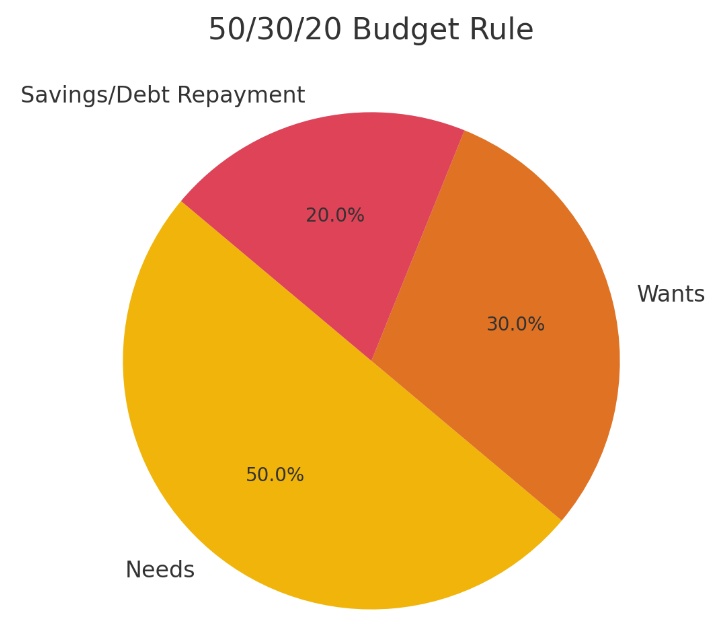
If you’re looking for a simple, flexible way to get your money under control, the 50/30/20 rule is a great starting point. Popularised by U.S. Senator Elizabeth Warren and her daughter Amelia Warren Tyagi, this rule divides your after‑tax income into three broad buckets: 50 percent for essentials, 30 percent for discretionary spending and 20 percent for savings and debt repayment. Its appeal lies in simplicity and adaptability. You don’t need detailed spreadsheets or envelopes for every expense; you just need a framework that helps you prioritise necessities, enjoy life and still build financial security.
The 50/30/20 Budget System at a Glance
Before diving deeper, here’s the simple idea:
- 50% for needs (essential expenses)
- 30% for wants (lifestyle spending)
- 20% for savings and debt repayment
It’s not about hitting these numbers perfectly—it’s about using them as a guide to stay balanced and in control.
The 50/30/20 Budget System: Simplicity Without Perfection
At its core, the 50/30/20 Budget System is a guideline, not a rigid formula. It works because it recognises that personal finance is as much about mindset as math. Allocating half of your income to necessities provides stability, dedicating 30 percent to wants prevents burnout and setting aside 20 percent for savings gives you peace of mind. Research shows that people who mentally divide their money into categories are more resistant to impulse purchases and enjoy greater financial well‑being.
Simplicity doesn’t mean perfection. If your expenses don’t line up exactly with 50/30/20, adjust the percentages to match your reality. The goal is consistency: a budget you can follow week after week without feeling like you’re failing.
Step 1: Calculate After‑Tax Income and Identify Needs
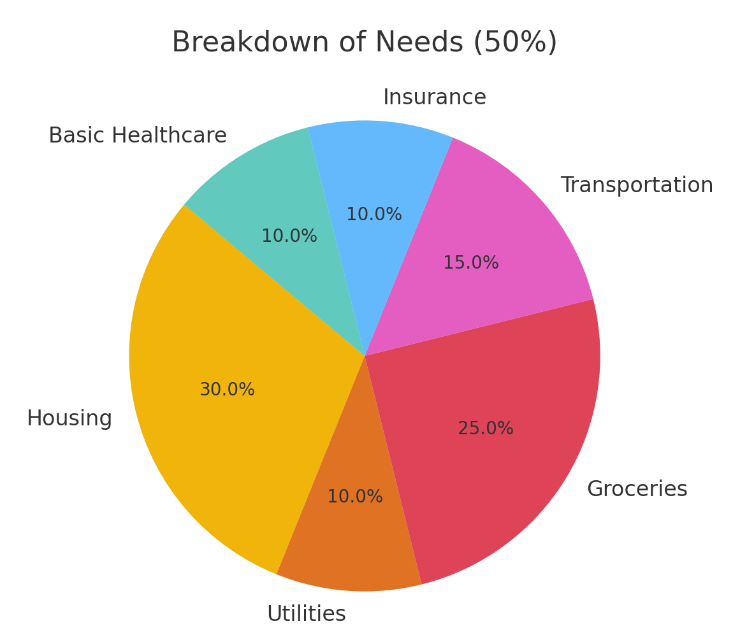
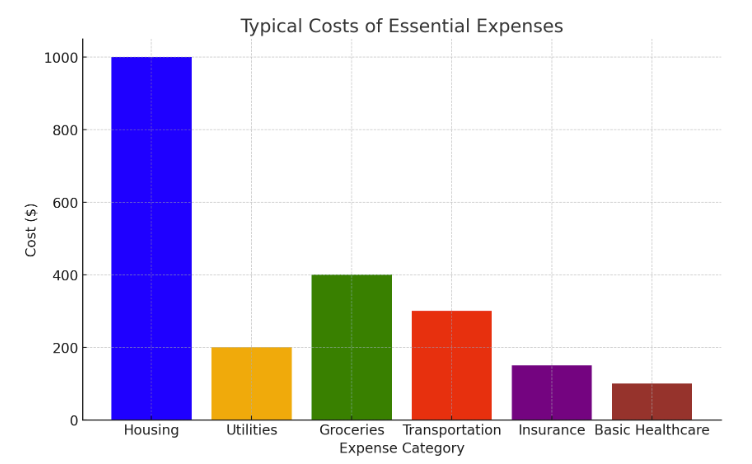
Start by determining your after‑tax income – what actually lands in your account after taxes and compulsory deductions. Then list your essential expenses such as housing, utilities, groceries, transportation, insurance and minimum debt payments. According to Citizens Bank, necessities should consume about half of your take‑home pay. Monitoring these costs over a couple of months helps you see where your money goes and where you might cut back.
Real‑Life Example: €2 000 Income
Imagine you take home €2 000 per month. Following the 50/30/20 guideline, you would allocate €1 000 (50 %) toward needs like rent, utilities and groceries; €600 (30 %) for wants such as dining out and hobbies; and €400 (20 %) to savings and debt repayment. These round numbers give you a clear picture of your spending limits and help you decide how to allocate paychecks.
If your essential expenses exceed 50 percent – common in high‑cost cities – don’t throw out the system. Citizens Bank notes that earmarking 50 percent of your income for needs may not be enough if you live in a high‑cost area, so adjust your percentages to fit your situation. For example, you could temporarily adopt a 60/25/15 split until you can reduce housing costs or increase income.
Step 2: Distinguish Wants and Keep Them Under Control
Wants make life enjoyable but often derail budgets. Discretionary purchases include eating out, subscriptions, hobbies, travel and other non‑essentials. Spending too much on wants is where many budgets fall apart. Mental budgeting techniques – such as dividing your funds into categories, waiting 24 hours before major purchases or using a dedicated “fun money” account – can help you resist impulse buys.
Use the 30 percent guideline as a guardrail, not a cage. If you know dining out is your weak spot, set a monthly dining budget and track it with an app or spreadsheet. When you reach the limit, switch to cooking at home. Mindful consumption allows you to enjoy your money without sabotaging your financial goals.
Step 3: Make Savings and Debt Repayment Automatic
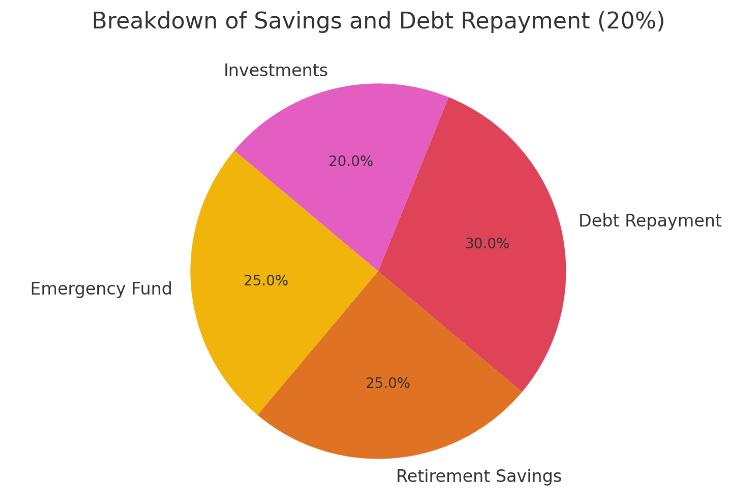
The smallest slice of the 50/30/20 rule is also the most crucial. Financial advisors recommend building an emergency fund equal to three to six months of expenses. After that, direct savings toward retirement accounts, investments and paying down high‑interest debt. Paying more than the minimum on credit cards accelerates your path to financial freedom.
Real‑Life Example: High‑Cost City Adjustment
Suppose you bring home €2 500 each month but pay €1 700 in rent and other necessities (68 %). A strict 50 percent needs limit isn’t realistic. Instead, adapt to a 60/25/15 split: spend about €1 500 on needs (60 %), €625 on wants (25 %) and €375 on savings and debt (15 %). As your income grows or you move to a cheaper apartment, aim to increase the savings portion. Arizona Central Credit Union notes that those with high housing costs may need to allocate 60 percent to necessities temporarily.
Automation helps make saving consistent. Set up direct transfers from your checking account to a savings or investment account right after payday. This “pay yourself first” approach ensures the money isn’t available to spend elsewhere. Even if you can only save 10 percent initially, consistency builds the habit.
Step 4: Adapt the Rule to Fit Your Life
No budget is one‑size‑fits‑all. The 50/30/20 rule is a starting point you can tweak based on your age, income, debts and goals. UBank emphasises that life stages influence how you allocate money: young professionals might allocate more to debt repayment, families may need a higher needs percentage and retirees might focus on saving. People with variable income should set aside extra savings to smooth out lean months. If you’re aggressively paying off student loans or credit card debt, shifting more toward savings and debt repayment can make sense.
Don’t beat yourself up if you miss the exact percentages. Citizens Bank advises being kind to yourself if you don’t hit the numbers; you may be able to meet them in the future. The goal is to build awareness and adjust as your circumstances change. Review your spending monthly or quarterly and tweak the percentages to maintain balance.
Staying Consistent: Tools and Habits
Sticking to a budget requires more than knowledge; it requires habits. Apps and spreadsheets can simplify tracking and highlight where money leaks out. Use automatic transfers to funnel money into savings and debt accounts. Incorporate regular check‑ins to see if your spending aligns with your priorities.
Consistency also has psychological benefits. Allocating money into buckets reduces anxiety, provides joy through guilt‑free spending and creates peace of mind through preparedness. Research links mental budgeting and self‑control to higher financial well‑being.
Conclusion
The 50/30/20 rule offers a simple framework for anyone who feels overwhelmed by money. By allocating 50 percent of your take‑home pay to needs, 30 percent to wants and 20 percent to savings and debt, you create balance while still enjoying life. The key is to view the rule as a flexible system rather than a hard mandate: adjust the percentages to match your circumstances, automate your savings and review your progress regularly.
You don’t have to follow the 50/30/20 rule perfectly—you just need to start using it. A budget that fits your real life will help you stay consistent, reduce financial stress and move you toward your goals. Start today by calculating your after‑tax income, dividing it into needs, wants and savings, and making the first transfer into your savings. Small steps taken now will compound into greater control and peace of mind over time.
Related Resources
- How to Track Your Expenses Effectively
- Living Paycheck to Paycheck — How to Break the Cycle in 2026
- How to Create a Savings Plan Step-by-Step
My book on GumRoad: How Personal Finance Made Simple Can Transform Your Future
Or on Amazon:
Build Financial Clarity
Join the Crown Altessa newsletter and receive:
• the free Financial Foundation Guide
• practical financial frameworks
• strategic decision-making insights
• tools designed to help you think long term about money and stability
If you want calmer, more structured financial thinking in an uncertain world, subscribe below.