


Introduction
One unexpected expense can destroy months of financial progress. A broken appliance, sudden medical bill or job loss doesn’t just cause stress – it can wipe out your budget and send you into debt. Nearly a quarter of Americans have no emergency savings at all and more than a third have more credit‑card debt than savings. When a €1,000 car repair hits your card at 20 % interest, you end up paying far more than the original bill and losing momentum toward other goals.
Most people react to crises with credit cards or by dipping into retirement accounts; wealthy individuals treat an emergency fund as insurance against life’s surprises. This guide explains why that buffer matters and shows you how to build it with a simple, repeatable system.
The problem isn’t just earning more – it’s spending more when crises hit. Without a dedicated emergency fund, each setback compounds your debt and delays your goals.
The Emergency Fund System: A Simple Plan That Works
Building a safety net doesn’t need to be complicated. The Emergency Fund System distills the process into a few clear steps:
- Set a target you can stick to: Aim for three to six months of essential expenses. Start smaller if that feels overwhelming and work up over time.
- Prioritize savings in your budget: Use a framework like the 50/30/20 rule to allocate a portion of each paycheque toward your fund.
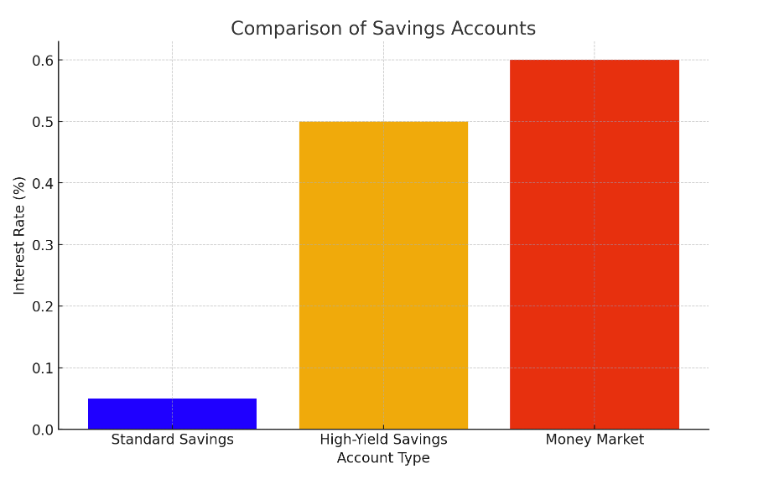
- Choose the right account: Keep your reserve in a high‑yield savings account or similar safe, liquid product—not in your checking or retirement accounts.
- Automate and boost: Schedule automatic transfers, direct windfalls toward your fund, and increase contributions as your income grows.
- Monitor and adjust: Review your fund annually, refine your target and replenish it after withdrawals.
This system focuses on consistency, not perfection. Small, regular contributions will build real protection faster than a heroic one‑time effort.
Step 1: Determine Your Emergency Fund Goal
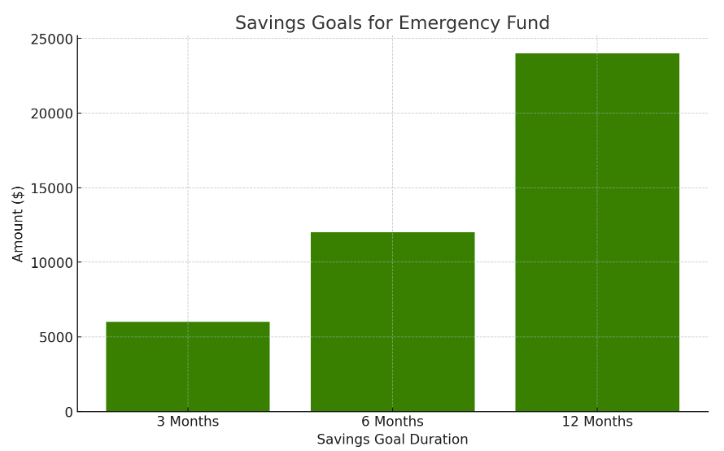
How much do you need? Financial experts recommend saving three to six months of essential living expenses. Dual‑income households with stable jobs can often aim for the lower end of the range, while single earners, freelancers or families with variable income may want to cover six to twelve months. If the idea of saving half a year’s expenses feels impossible, start smaller: half a month’s expenses or around €2,000 is enough to handle minor spending shocks.
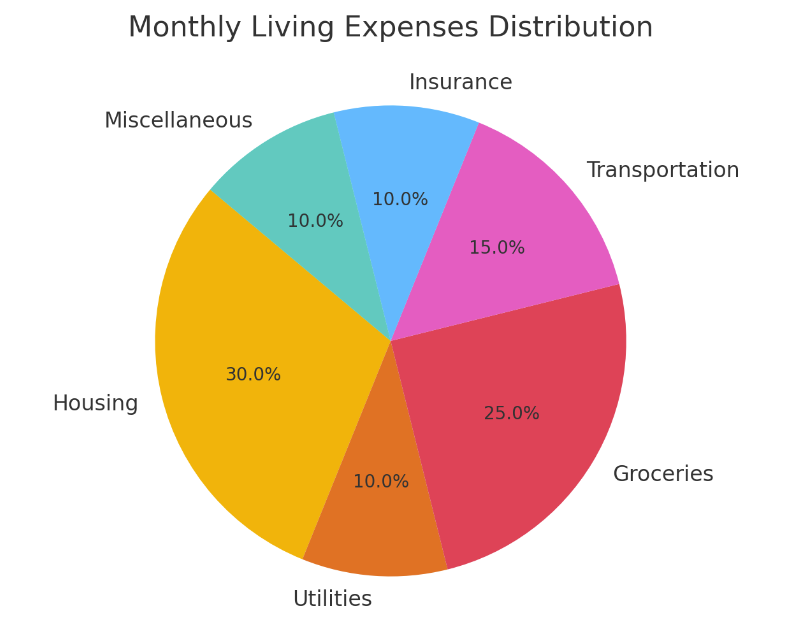
- Calculate your baseline: Add up your monthly essentials—housing, utilities, groceries, transportation and insurance.
- Set a realistic target: Multiply that figure by the number of months you want to cover. If you’re new to saving, aim for one month and work up from there.
- Start where you are: Even €25 or €50 per paycheque adds up over time. The point is to build momentum, not perfection.
Step 2: Integrate Savings Into Your Budget
Most people plan to save what’s left at the end of the month—and find that nothing is left. Wealthy individuals pay themselves first, making savings automatic. To do this:
- Use a budgeting framework: The 50/30/20 method allocates roughly 50 % of your after‑tax income to needs, 30 % to wants and 20 % to savings and debt repayment. Adjust the percentages if you have high fixed costs; the important part is dedicating a portion to your emergency fund.
- Set a standing order: Schedule a transfer on payday so money moves to your emergency account before you have the chance to spend it.
- Increase when you can: Every time you receive a raise, bonus or tax refund, redirect part of it to your fund. Little windfalls accelerate growth.
Step 3: Choose the Right Account
An emergency fund should be accessible, safe and separated from your everyday spending. High‑yield savings accounts (HYSAs) are ideal because they offer a higher annual percentage yield than regular savings while keeping funds liquid. For example, a €10,000 balance earning around 4.5 % APY can generate about €450 in annual interest. HYSAs are typically insured (up to €250,000 in the U.S.) and allow transfers back to your checking account within one or two days.
Avoid using your 401(k), IRA or other retirement accounts as your emergency fund. Early withdrawals may trigger taxes and penalties. Similarly, don’t tie up your savings in certificates of deposit (CDs) or other products that penalize early withdrawal. Keep your emergency money separate so you won’t be tempted to spend it on everyday expenses.
Step 4: Automate and Boost Contributionstions
Saving consistently is easier when the process runs on autopilot. Set up an automatic transfer from your checking to your high‑yield savings account to coincide with your pay cycle. Start small if necessary, then increase your contribution as your income grows or expenses decrease. If money is tight, explore ways to boost your income through side gigs, freelancing or selling unused items—see our guide on how to increase your income for practical ideas.
Tips for staying on track:
- Schedule transfers on payday so saving happens before spending starts.
- Treat savings like a bill: Consider it a fixed expense you must pay every month.
- Use windfalls wisely: Allocate a portion of bonuses, tax refunds or gifts to your emergency fund.
- Rebuild after withdrawals: If you dip into your fund, make replenishing it your top priority.
Step 5 – Monitor and Adjust Your Fund
Your emergency fund isn’t set‑and‑forget. Review it at least once a year and adjust for changes in income, expenses or family circumstances. If your living costs increase or you move to a more expensive city, raise your target. Also watch interest rates; if your bank’s yield drops significantly, consider moving the money to another insured institution with a better rate.
Define what qualifies as an emergency to avoid tapping your fund for non‑essential purchases. True emergencies include job loss, unexpected medical bills, urgent home or car repairs—not vacations, impulse shopping or planned expenses.
Common Emergency Fund Mistakes to Avoid
Many people sabotage their own safety net without realizing it. Here are common pitfalls and how to avoid them:
- Saving too slowly or too aggressively: Starting with a realistic goal (one month of expenses, then three, then six) keeps you motivated. Trying to save six months overnight can lead to frustration, while putting away too little leaves you exposed.
- Relying on credit cards or loans: Emergency funds exist so you don’t have to borrow at 20 % interest. Using credit cards for emergencies can trap you in a cycle of debt.
- Using retirement accounts: Taking money from your 401(k) or IRA can trigger taxes and penalties—and it disrupts long‑term growth. Keep emergency money separate.
- Locking funds in illiquid products: CDs and other accounts with early‑withdrawal penalties make it hard to access cash quickly. Choose accounts that balance yield and accessibility.
- Dipping into the fund for non‑emergencies: A true emergency is something unexpected and necessary. A holiday sale isn’t.
Recognizing these mistakes helps you maintain a reserve that’s ready when you need it most.
Conclusion
Unexpected expenses are inevitable, but financial crisis isn’t. Building an emergency fund is about protecting yourself before the next surprise hits. You don’t need a perfect plan—you need a simple system and the discipline to follow it. Start by defining a realistic target, integrate saving into your budget, choose a dedicated high‑yield account, automate your contributions and regularly review your progress. Most importantly, avoid using credit cards or retirement accounts as a stopgap; your fund should free you from debt, not add to it.
Every euro saved is a euro you won’t have to borrow at high interest—and that margin is what shields you when life goes sideways. Begin today: even a small contribution moves you closer to financial security.
My book on GumRoad: How Personal Finance Made Simple Can Transform Your Future
Or on Amazon:
Build Financial Clarity
Join the Crown Altessa newsletter and receive:
• the free Financial Foundation Guide
• practical financial frameworks
• strategic decision-making insights
• tools designed to help you think long term about money and stability
If you want calmer, more structured financial thinking in an uncertain world, subscribe below.