


Disclaimer: This article provides general information and does not constitute legal or financial advice. Everyone’s situation is different, so always consult qualified professionals before taking action.
Divorce can be emotionally and financially devastating. Beyond the personal turmoil, ending a marriage may divide property, disrupt business ownership and affect long‑term estate plans. Without proactive planning, your hard‑earned savings, family business or inherited assets could be subject to equitable distribution laws. Thankfully, there are several strategies that can shield assets from marital claims. Below is a comprehensive guide to protecting your wealth before and during divorce, drawing on reliable sources, court precedents and estate‑planning advice.
1. Clarify Ownership with a Prenuptial Agreement
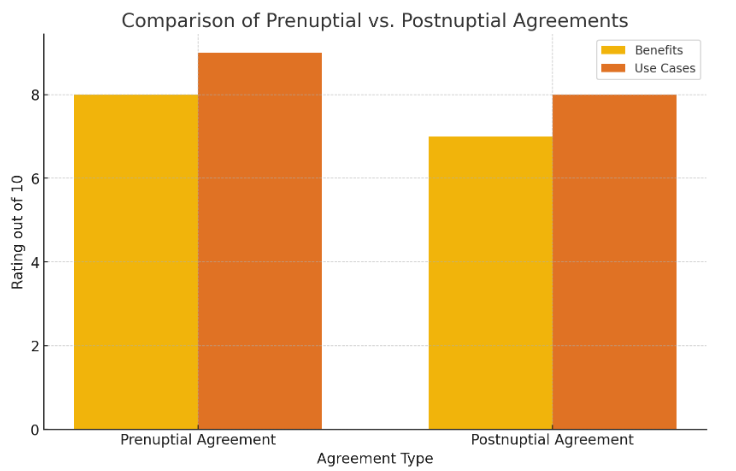
A prenuptial agreement (prenup) is a contract that couples sign before marriage to clarify the future status of property and debts. A well‑drafted prenup can keep premarital assets and future inheritances separate from marital property. It can also protect business interests, family trusts and children from previous relationships.
- What a prenup covers: Prenups typically spell out which assets remain separate (for example, real estate or investments acquired before the wedding) and how future earnings will be handled. They can also waive or limit spousal support.
- Why have one? According to financial planners, a prenup is especially important for individuals with significant assets, high incomes, family trusts or children from prior relationships. It helps avoid disputes over the classification of property and ensures that both partners understand their rights before emotions run high.
- Requirements: To be enforceable, most jurisdictions require full disclosure of assets and liabilities, voluntary signatures from both parties and terms that are not unconscionable. Courts look for fairness, so extreme provisions may be struck down.
2. Evaluate a Postnuptial Agreement When Circumstances Change
If you are already married and did not sign a prenup, consider a postnuptial agreement. Like a prenup, a postnup clarifies how assets and debts will be divided, but it is executed after the marriage ceremony.
- Reasons to sign: Couples may seek a postnup when they start a business together, have children from previous relationships, experience a dramatic income shift or inherit significant assets. MetLife notes that postnups can provide clarity when one spouse leaves the workforce, when a new family business starts or when major financial changes occur.
- Legal requirements: Postnups must be written, voluntary and supported by full financial disclosure. Each spouse should have independent counsel, and the agreement must be fair; otherwise courts can void it.
3. Keep Assets Separate and Avoid Commingling
In many states, assets acquired before marriage remain separate, while property acquired during the marriage may be considered marital or community property. However, the distinction can blur if assets are commingled.
- Separate accounts and documentation: Lawyers advise keeping inherited funds and premarital savings in accounts that are titled only in your name. Mixing them with joint funds may convert them into marital property. For example, Texas law presumes all property acquired during marriage is community property. The spouse asserting separate ownership must produce clear and convincing evidence of its separate character. If inherited funds are deposited into a joint account, they may be treated as community property unless traceable.
- Recordkeeping: Maintain detailed statements, receipts and deeds to prove the source of funds. Without records, a court may assume commingled property belongs to both spouses.
- Consider a cohabitation agreement: Even if marriage is not imminent, couples who live together can sign a cohabitation agreement that outlines asset ownership. This can prevent disputes later.
4. Protect Inheritances and Gifts
Inheritances and gifts made to one spouse are generally considered separate property, but only if they are kept separate.
- Document the source: Save letters, wills and estate documents that show the asset was a gift or inheritance. Under Texas family law, inherited property remains separate only if the owner can prove its separate character.
- Use trusts to manage inheritances: Placing inherited property in a properly drafted trust can further clarify ownership and restrict a spouse’s access. Prenuptial or postnuptial agreements can also specifically address inheritances.
5. Use Trusts for Asset Protection
Trusts are legal structures that hold property for the benefit of a beneficiary. Some trusts can help shield assets from marital claims, but the details matter.
- Revocable vs. irrevocable: A revocable living trust allows you to maintain control of assets, so the property usually remains subject to divorce claims. In contrast, irrevocable trusts remove assets from your estate; once you transfer property into the trust, you no longer own it. Because you relinquish control, assets in an irrevocable trust may be beyond a spouse’s reach.
- Domestic asset protection trusts (DAPTs): Available in a limited number of U.S. states, DAPTs are self‑settled irrevocable trusts designed to shield assets from creditors and divorce. To be effective, they require a trustee located in the DAPT‑friendly state, and the grantor must comply with funding and solvency requirements.
- Avoid fraudulent conveyances: Transferring assets into a trust shortly before divorce may be viewed as an attempt to defraud a spouse. Courts can set aside transfers made to avoid marital obligations. Consult an estate‑planning attorney early, preferably well before marital discord arises.

6. Safeguard Your Business Interests
If you own a business, its value could be divided in divorce even if the company predates the marriage. Steps to mitigate that risk include:
- Prenuptial or postnuptial agreements: Clearly specify that the business is separate property and outline how any increase in value will be handled.
- Separate finances: Maintain individual bank accounts, keep detailed records of ownership shares and avoid paying personal expenses from business accounts. Commingling personal and company funds can convert a separate business into marital property.
- Limit spouse involvement: Courts may view a spouse’s active participation as justification for an ownership claim. To reduce this risk, limit a spouse’s role in the company and document compensation or contributions.
- Business structures and agreements: Choosing the right entity (LLC or corporation) and adopting shareholder or partnership agreements can restrict the transfer of shares and require buyouts if a spouse gains an interest
7. Use Insurance and Beneficiary Designations Wisely
Insurance can offer a financial buffer during and after divorce.
- Life insurance as security: Divorce courts may require one spouse to maintain life insurance to secure alimony or child support obligations. Whole life policies accumulate cash value, which is considered an asset and may be divided during divorce. Term policies generally remain with the named owner, but beneficiaries should be updated as part of the divorce settlement.
- Review beneficiary designations: Many accounts—life insurance, retirement plans, payable‑on‑death (POD) accounts—pass directly to named beneficiaries, regardless of the terms of a will. Ex‑spouses have inadvertently inherited assets because the account owner failed to update beneficiary forms. Update these designations as soon as divorce is imminent, but note that some jurisdictions restrict changes once a divorce action is filed.
8. Seek Professional Advice Early
Navigating asset protection during divorce requires interdisciplinary expertise. Attorneys, financial advisers, tax professionals and forensic accountants can help you:
- Evaluate the fairness of prenuptial and postnuptial agreements.
- Create trusts and estate plans consistent with your state’s laws.
- Value and divide business interests.
- Trace separate property and detect hidden assets.
The OC Elder Law group stresses that proactive legal advice is critical to ensure agreements are enforceable and assets are properly titled.
9. Maintain Comprehensive Records
Accurate documentation is crucial when proving that assets are separate. Without records, courts may treat property as marital. Family law experts recommend:
- Keeping detailed records of financial transactions, including bank statements, account numbers, receipts and purchase agreements.
- Documenting contributions to any joint purchases or improvements; in equitable distribution states, evidence of contributions or enhancements can affect how property is divided.
- Retaining appraisals and valuations for real estate, antiques and other valuable assets. When in doubt, keep more records than you think you’ll need.
Transparency is preventive, not accusatory.
10. Monitor Financial Transparency and Prevent Dissipation
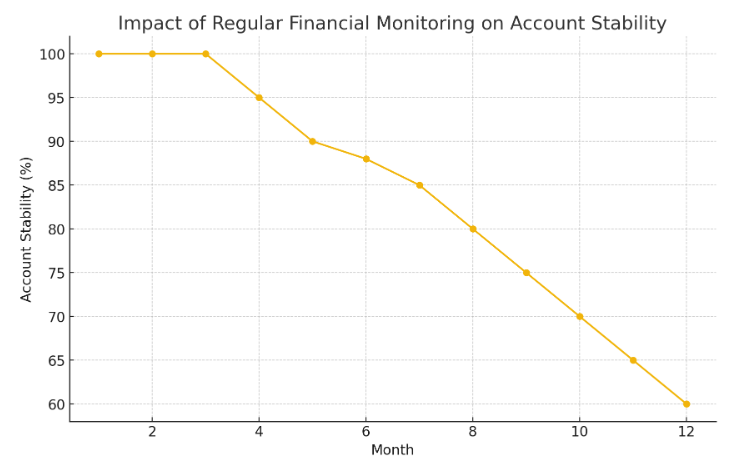
Full financial disclosure is a cornerstone of fair asset division. Courts require each spouse to file an inventory of assets, liabilities and income, and hiding assets can lead to sanctions. Key points include:
- Financial transparency: Barnett Law notes that failure to provide accurate financial affidavits or hiding assets may result in penalties or the reallocation of property. Forensic accountants can help trace hidden assets and identify misstatements.
- Prevent asset dissipation: Dissipation occurs when a spouse depletes marital assets on non‑marital purposes (e.g., gambling or excessive spending) in anticipation of divorce. Courts may compensate the other spouse by awarding them a larger share of remaining assets. Ellis Family Law recommends monitoring joint accounts, setting alerts for large withdrawals, gathering documentation and—if necessary—seeking court orders to prevent further depletion.
11. Update Estate Planning Documents Promptly
Major life changes—such as marriage, divorce, remarriage or having children—require a fresh look at your estate plan. Failure to update estate planning documents can leave an ex‑spouse in control of your assets or medical decisions.
- Change powers of attorney: The Soto Law Group warns that if you become incapacitated during divorce and your ex is still named in your financial or medical power of attorney, they retain full control over your decisions. You should grant durable financial and medical power of attorney to trusted individuals as soon as divorce is inevitable.
- Update beneficiary designations: Since life insurance policies, retirement accounts and bank accounts pass directly to named beneficiaries, update these designations before filing for divorce if possible. Once divorce papers are filed, many states prevent changes without the other spouse’s consent.
- Create a new will: Married couples often name each other as executors and primary beneficiaries. Craft a new will to replace your soon‑to‑be ex with new beneficiaries, keeping in mind that some states limit changes once a divorce action is filed.
- Amend or revoke existing trusts: If your revocable trust lists your spouse as successor trustee or beneficiary, update it. The Curran Estate & Elder Law firm explains that divorce does not automatically remove a spouse from your trust or will, and failing to revise these documents may allow an ex to inherit property or control your estate. Replace the ex‑spouse with new trustees and beneficiaries and adjust property allocations accordingly.
- Revisit the plan post‑divorce: After the divorce is finalized and assets are divided, revisit all estate planning documents again. The Soto Law Group advises updating your plan whenever your circumstances change—like remarriage or having more children—to ensure your wishes are reflected.
Conclusion: Be Proactive and Stay Informed
Protecting assets from divorce is not about distrust; it’s about prudent planning. Prenuptial and postnuptial agreements, separate accounts, trusts, insurance and updated estate plans all serve to clarify intentions and reduce conflict. Equally important are good recordkeeping practices, transparency and professional guidance. By taking these steps well before marital discord, you can protect yourself, your family and your legacy.
For more on building a solid financial foundation—whether you’re single, married or starting over—see