


Creating a financial cushion for your children is one of the most meaningful gifts you can give them. A carefully constructed fund can help cover education, living expenses or major milestones like a down‑payment on a home. More importantly, having resources available can reduce the pressure young adults feel when they enter the world without a safety net. In this guide we explore different account types, explain why starting early matters and outline simple steps to build and manage a fund that will grow with your child.
1. Set Clear Goals
Before choosing an account, decide what you want the money to do. Are you saving primarily for university tuition, a first apartment or simply to give your child a head start? Estimate the amount needed and the timeline. Identifying the fund’s purpose and time horizon will help determine the right type of account and contribution schedule.
2. Choose the Right Type of Fund
There is no “one‑size‑fits‑all” account for children. Each option has advantages, tax implications and potential drawbacks. Below are common vehicles and what they offer:
High‑Yield Savings Accounts
A high‑yield savings account works like a standard bank account but pays a higher interest rate. Vanguard notes that these accounts often come with Federal Deposit Insurance Corporation (FDIC) protection, provide easy access to your money, and generate compound interest. They are low risk and liquid, making them ideal for short‑term goals or an emergency reserve. However, the interest rate is variable and generally lower than investments such as stocks or bonds. If rates fall or inflation rises, growth may not keep pace.
Certificates of Deposit (CDs)
CDs lock your money in for a fixed term—from a few months to several years. Because of that commitment, banks typically pay higher fixed rates than regular savings accounts. CDs are insured and provide predictable returns, but they require a minimum deposit and charge penalties for early withdrawal. That makes them less flexible than other options.
529 College Savings Plans
A 529 plan is a state‑sponsored savings program offering tax‑advantaged growth for education. According to the U.S. Internal Revenue Service (IRS), earnings accumulate tax‑free and qualified withdrawals for tuition, fees, books and even some computers are not subject to federal income tax. Contributions aren’t deductible, but you can invest large amounts and even change beneficiaries without tax consequences. The trade‑off: withdrawals used for non‑educational purposes are subject to income tax and a 10 % penalty. For families primarily focused on college expenses, 529 plans are hard to beat.
Custodial Accounts (UTMA/UGMA)
Uniform Transfers to Minors Act (UTMA) and Uniform Gifts to Minors Act (UGMA) accounts allow parents to invest on behalf of a child. SmartAsset explains that earnings in custodial accounts are taxed at the child’s lower tax rate up to a certain threshold; beyond that, the income is taxed at the parent’s rate due to the “kiddie tax”. Assets belong to the child and transfer outright when the child reaches the age of majority. Because these assets count as the child’s property, up to 20 % of the account’s value may be counted in college financial‑aid calculations, compared with roughly 5.6 % for parent‑owned assets. Custodial accounts offer flexibility (funds may be used for anything), but they lack the tax advantages of 529 plans and can reduce financial‑aid eligibility.
Trust Funds
A trust is a legal arrangement in which a trustee manages assets on behalf of a beneficiary. Estate‑planning experts explain that trusts provide financial security and controlled distributions, offer potential tax benefits and shield assets from creditors. Parents can choose from revocable trusts (which can be altered) or irrevocable trusts (which provide stronger asset protection and tax advantages but cannot be changed). Trusts allow you to stipulate when and how funds are used—for example, disbursing money for education at age 18 and delaying other distributions until later. The downside is that trusts are more complex and costly to set up, so professional legal advice is essential.
Roth IRA for Kids
A Roth IRA for Kids is a custodial retirement account that lets a child invest earned income. Fidelity explains that the account is managed by an adult until the child reaches legal adulthood, and contributions—up to 100 % of earned income, with a maximum of $7,000 in 2025—grow tax‑free. Withdrawals in retirement are tax‑free, and contributions (but not earnings) may be withdrawn any time without penalty. The main requirement is that the child must have verifiable earned income from babysitting, mowing lawns or other work. Because the account is considered a retirement asset, money saved in a Roth IRA generally isn’t counted in FAFSA financial‑aid calculations. However, contributions are limited and cannot exceed the child’s earnings.
3. Start Early
Time is one of the most powerful levers when building wealth. Morgan Stanley notes that parents who begin saving and investing for their children early harness the power of compounding—earning interest on interest—which allows even small contributions to grow significantly over decades. Starting when your child is young gives your money longer to work, and you can afford to take more investment risk when the time horizon is long.

- Initial Investment: $1000
- Annual Contribution: $1000
- Interest Rate: 5%
4. Make Regular Contributions
Consistency matters more than big, sporadic deposits. America Saves stresses that saving through automatic deposits or transfers is one of the most effective ways to build a nest egg. By setting up payroll split deposits or monthly bank transfers, you remove willpower from the equation and build the habit of saving. Even small amounts add up over time; the key is to start with what you can afford and increase contributions as your income grows.
Tips for Building Momentum
- Automate it: Schedule transfers right after payday so saving happens before spending.
- Adjust over time: Review your budget periodically and increase your monthly contribution when you get raises or reduce other expenses.
- Use windfalls: Apply tax refunds, bonuses or other windfalls directly to the fund to accelerate growth.
5. Diversify Investments
Don’t put all your eggs in one basket. Vanguard explains that diversification—spreading money across stocks, bonds, real estate and other assets—reduces risk and helps stabilise your portfolio. A well‑diversified portfolio might include U.S. and international equities, high‑quality bonds and alternative assets. Combining investments with low correlation (e.g., stocks and bonds) can protect you against extreme market swings. Your asset mix should reflect your risk tolerance and the time horizon until your child needs the funds. Mutual funds and ETFs offer a simple way to achieve diversification.
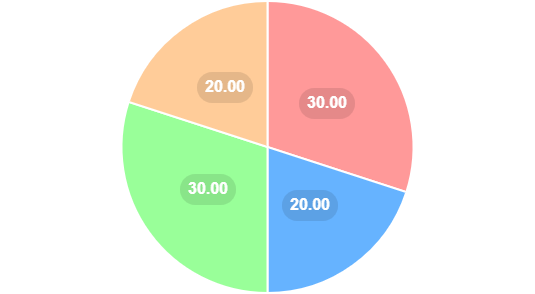
This pie chart illustrates a balanced investment strategy with assumed proportions for diversification:
- Stocks: 30%
- Bonds: 20%
- Mutual Funds/ETFs: 30%
- Real Estate: 20%
6. Monitor and Adjust the Fund
Investment portfolios are not “set it and forget it.” The U.S. Securities and Exchange Commission notes that many professionals recommend rebalancing your portfolio every six to twelve months to maintain your target asset allocation and risk level. Regular reviews should also consider changes in your goals, risk tolerance and market conditions. If your child is approaching college age, you may want to gradually shift toward more conservative investments.
Other monitoring tasks include:
- Review performance annually and compare it to your expected rate of return.
- Rebalance by selling overweight positions and buying underweight ones to restore the desired mix.
- Stay informed about tax and plan rules, especially for accounts like 529 plans, where legislation can affect contribution limits and eligible expenses.
7. Educate Your Children
A fund is most effective when paired with financial literacy. Research from Brigham Young University found that children who learn money management from their parents are more likely to display healthy financial behaviors, such as budgeting and saving. The study also discovered that these early habits contribute to more satisfying relationships in adulthood. Busey Bank’s educational blog emphasises that teaching kids about money helps them make responsible decisions, prepares them for unexpected events and empowers them to become independent adults. To instill financial wisdom:
- Model good behavior: Let your children see you budgeting, saving and investing.
- Talk openly about money: Explain the purpose of the fund, how you’re investing and why you prioritise saving.
- Give hands‑on experience: Encourage them to contribute part of their allowance or earnings to the fund and teach them basic investing concepts.
- Discuss needs vs. wants and the importance of emergency savings.
Educating your children ensures that the fund supports—not supplants—their own financial responsibility.
8. Step‑by‑Step: Setting Up Automatic 529 Contributions
If you choose a 529 plan, automating your contributions can simplify the process and ensure consistency. Here’s how to do it:
- Open a 529 plan account. Visit the website of your chosen state plan and complete the online application. You’ll need your child’s Social Security number and your personal information.
- Link your bank account by providing the routing and account numbers of your checking or savings account.
- Determine your contribution amount. Set a monthly amount that fits comfortably within your budget. Starting small is fine—you can always increase it later.
- Set up automatic transfers. Inside your 529 account, look for a section labeled “Contributions” or “Funding.” Enter your desired contribution and select your linked bank account as the funding source.
- Choose the transfer frequency. Monthly transfers are common; pick a date that aligns with your pay schedule to ensure funds are available.
- Confirm and activate. Review your details and authorise the automatic transfer. Most providers send a confirmation email or message.
- Monitor and adjust. Check periodically to make sure transfers occur as expected and adjust the amount when your financial situation changes.
Conclusion
Building a fund for your child is not about guaranteeing wealth; it’s about creating stability and opportunity. By setting clear goals, choosing appropriate accounts, starting early, contributing regularly, diversifying investments, monitoring progress and teaching your children about money, you lay the groundwork for generational success. Consistency and adaptability are key. The proverb, “The best time to plant a tree was twenty years ago; the second best time is now,” reminds us that it’s never too late to start. Begin today so that your children have the freedom to make thoughtful decisions tomorrow.
Additional Resources
- Investment opportunities – Learn more about how to evaluate opportunities and build a diversified portfolio in our guide How to Identify Investment Opportunities.
- Emergency fund basics – If you don’t yet have a personal safety net, check out How to Create an Emergency Fund: A Step‑by‑Step Guide. Building your own buffer helps ensure you can stay consistent with contributions to your child’s fund.