


Student debt can be a significant burden, impacting your financial well-being and future plans. However, with the right strategies and determination, you can effectively manage and eliminate your student debt. Here’s a comprehensive guide to help you get out of student debt and achieve financial freedom.
I’ve seen the student debt trap up close. When I started university in Italy, I quickly realized two things. First, the way we were being taught made it almost impossible to truly learn. Professors would move through material at incredible speed, assuming everyone already understood the foundations. By the time you tried to research one unfamiliar term, three more had already passed. Even spending entire days taking notes and studying at home wasn’t enough to keep up. Second, the cost was overwhelming. Books were expensive. Fees were expensive. Everything felt designed in a way that quietly pushed students toward debt. Not because they were lazy — but because the system made it difficult to survive without borrowing. That experience changed how I look at student loans. It’s not always about irresponsibility. Sometimes it’s about structure.
1. Understand Your Debt
Growing up in a Nigerian household in Italy, debt was never treated casually. My father taught me something simple: if you can avoid debt, avoid it. If you want something, save for it first. Work for it. Delay the purchase. Because once you buy something with borrowed money, you are not just buying the item — you are buying years of financial pressure. I’ve seen people take loans for phones, cars, lifestyle upgrades, thinking only about the excitement of ownership. But they forget about the five or ten years that follow. That mindset stayed with me. Debt is not just a number. It’s psychological weight.
a. Identify Your Loans
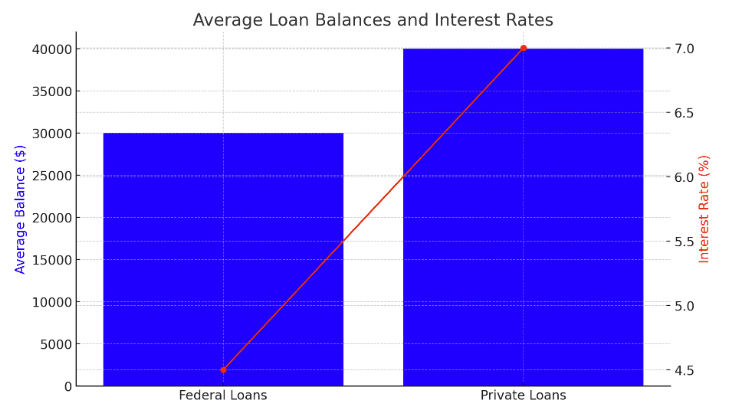
Start by listing all your student loans, including the lender, loan balance, interest rate, and repayment terms. This includes both federal and private loans.
b. Know Your Loan Types
Understand the difference between federal and private student loans. Federal loans often offer more flexible repayment options and protections compared to private loans.
c. Check Your Loan Status
Keep track of the status of each loan, including whether it’s in grace, repayment, deferment, or forbearance.
What frustrates me most is not student loans themselves. It’s when people take on massive debt without researching whether their chosen field can realistically repay it. I’ve seen students commit to degrees simply because they “like the idea,” without asking whether the market actually needs that skill. Then they graduate, burdened by debt, only to end up working in unrelated fields just to survive. Debt can be strategic — but only if it is attached to real demand. Borrowing for a profession that has limited opportunity is not ambition. It’s risk without calculation.
2. Create a Budget
a. Track Your Income and Expenses
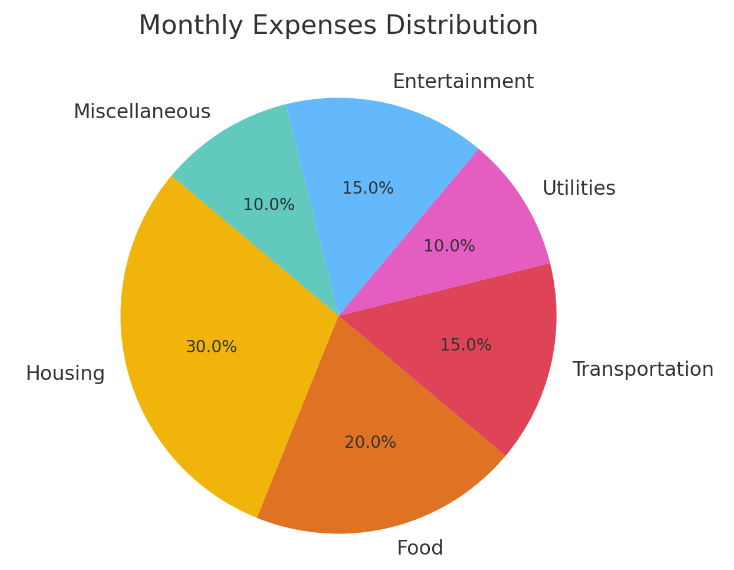
List all your sources of income and monthly expenses to get a clear picture of your financial situation. Categorize your expenses to identify areas where you can cut back.
b. Allocate Funds for Debt Repayment
Set aside a specific amount each month for student loan repayment. Ensure this amount is sustainable and fits within your overall budget.
3. Explore Repayment Options
a. Standard Repayment Plan
The default repayment plan for federal student loans, which involves fixed monthly payments over 10 years. This plan can save you money on interest compared to extended plans.
b. Income-Driven Repayment Plans
Federal student loans offer income-driven repayment (IDR) plans that base your monthly payment on your income and family size. These include:
- Income-Based Repayment (IBR)
- Pay As You Earn (PAYE)
- Revised Pay As You Earn (REPAYE)
- Income-Contingent Repayment (ICR)
c. Graduated Repayment Plan
This plan starts with lower payments that gradually increase every two years. It can be beneficial if you expect your income to increase over time.
d. Extended Repayment Plan
Allows you to extend your repayment term up to 25 years, which lowers your monthly payments but increases the total interest paid over the life of the loan.
4. Consider Loan Forgiveness Programs
a. Public Service Loan Forgiveness (PSLF)
If you work in a qualifying public service job and make 120 qualifying payments under an IDR plan, you may be eligible for loan forgiveness.
b. Teacher Loan Forgiveness
Teachers who work in low-income schools for five consecutive years may qualify for forgiveness of up to $17,500 on federal Direct and Stafford Loans.
c. Other Forgiveness Programs
Certain professions, such as healthcare workers and lawyers, may have specific loan forgiveness programs available.
5. Refinance or Consolidate Loans
a. Loan Refinancing
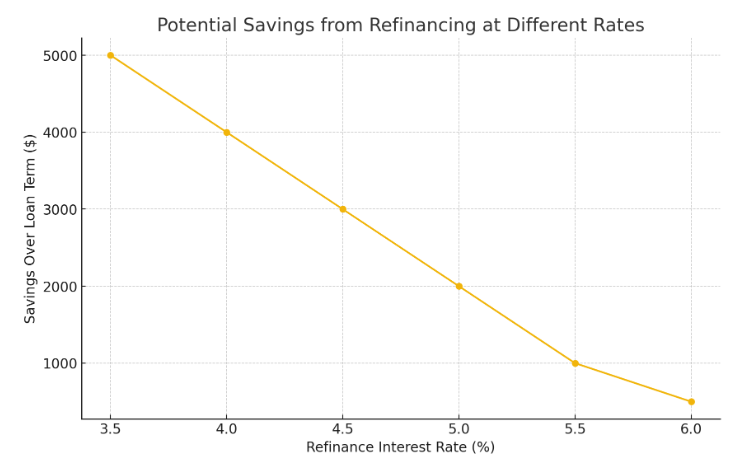
Refinancing involves taking out a new loan with a lower interest rate to pay off your existing loans. This can save you money on interest and lower your monthly payments. Note that refinancing federal loans with a private lender will result in the loss of federal protections and benefits.
b. Loan Consolidation
Federal loan consolidation combines multiple federal loans into one loan with a single monthly payment. While this can simplify repayment, it may not lower your interest rate.
6. Make Extra Payments
a. Pay More Than the Minimum
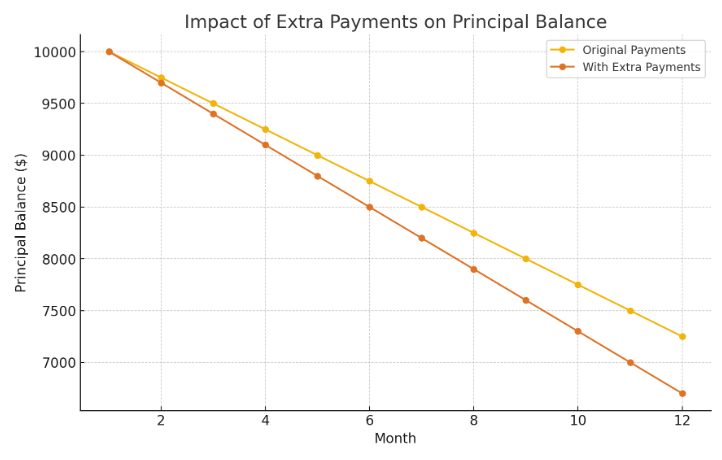
Whenever possible, pay more than the minimum monthly payment. This reduces the principal balance faster and saves you money on interest.
b. Apply Windfalls to Your Debt
Use bonuses, tax refunds, or any unexpected windfalls to make extra payments on your student loans.
7. Reduce Expenses and Increase Income
a. Cut Unnecessary Expenses
Review your budget to identify non-essential expenses you can eliminate or reduce. Consider cooking at home, canceling unused subscriptions, and finding cheaper alternatives for entertainment.
b. Increase Your Income
Take on a part-time job, freelance work, or side gigs to boost your income. Use the additional earnings to pay down your student debt.
8. Seek Employer Assistance
a. Employer Repayment Programs
Some employers offer student loan repayment assistance as part of their benefits package. Check with your employer to see if this benefit is available.
b. Negotiate for Assistance
If your employer doesn’t offer repayment assistance, consider negotiating this benefit during your job offer or performance review.
9. Stay Motivated and Monitor Progress
a. Set Milestones
Break down your debt repayment goal into smaller milestones. Celebrate each milestone achieved to stay motivated.
b. Use a Debt Tracker
Keep track of your repayment progress with a debt tracking tool or app. Seeing your progress can encourage you to stay on course.
c. Join Support Groups
Connect with others who are also working to pay off student debt. Share experiences, tips, and encouragement.
Step-by-Step Process for Creating a Budget:
List All Sources of Income:
- Write down all your sources of income, including salary, side jobs, and any other sources of revenue.
Track All Expenses:
- Record your monthly expenses, including rent, utilities, groceries, transportation, and entertainment.
Categorize Expenses:
- Divide your expenses into categories: fixed (e.g., rent), variable (e.g., groceries), and discretionary (e.g., dining out).
Identify Areas to Cut Back:
- Review your spending categories and identify areas where you can reduce expenses. Look for non-essential items that can be minimized or eliminated.
Set a Monthly Debt Repayment Goal:
- Determine a specific amount to allocate towards your student debt each month. Ensure this amount is sustainable within your overall budget.
Automate Payments:
- Set up automatic payments for your student loans to ensure you never miss a payment and to stay consistent with your repayment plan.
Monitor and Adjust:
- Regularly review your budget and spending habits. Adjust your budget as needed to stay on track with your debt repayment goals.
Proverb:
“Debt is the worst poverty.”
This proverb emphasizes the burden that debt can impose and highlights the importance of managing and eliminating debt to achieve financial freedom.
I don’t believe all debt is evil. Some debt is structural. For example, buying a house without a loan is unrealistic for most people. But even then, the key is timing and terms. Taking a loan when interest rates are manageable and you can clearly see a path to repayment within a defined timeframe is very different from borrowing impulsively. Debt is dangerous when it controls you. It becomes strategic when you control it.
Conclusion
Getting out of student debt requires a combination of strategic planning, disciplined budgeting, and proactive repayment. By understanding your debt, exploring repayment options, cutting expenses, and increasing your income, you can effectively manage and eliminate your student debt. Stay committed to your plan, and you’ll achieve financial freedom and peace of mind.
My book on GumRoad: How Personal Finance Made Simple Can Transform Your Future
Or on Amazon:
Build Financial Clarity
Join the Crown Altessa newsletter and receive:
• the free Financial Foundation Guide
• practical financial frameworks
• strategic decision-making insights
• tools designed to help you think long term about money and stability
If you want calmer, more structured financial thinking in an uncertain world, subscribe below.