For decades, Switzerland was the undisputed safe room of global finance. Stability was its brand. Predictability was its promise. If you had significant wealth and wanted insulation from political or regulatory surprises, you placed your assets there and slept well.
But the world changed.
As international cooperation tightened and secrecy eroded, Switzerland no longer played the role elites relied on. Pressure mounted, loopholes closed, and the environment became less predictable. Not hostile—just less certain.
So the wealthy adapted.
They shifted to Hong Kong, which for a time appeared to be the perfect hybrid: East–West access, strong rule of law, and a reputation for disciplined financial governance. It felt like the closest thing to a modern Switzerland.
Then politics caught up.
The geopolitical tension between Hong Kong and mainland China reshaped the city’s autonomy and predictability. Once again, the rich found themselves exposed to a new set of unknowns.
And so they moved again.
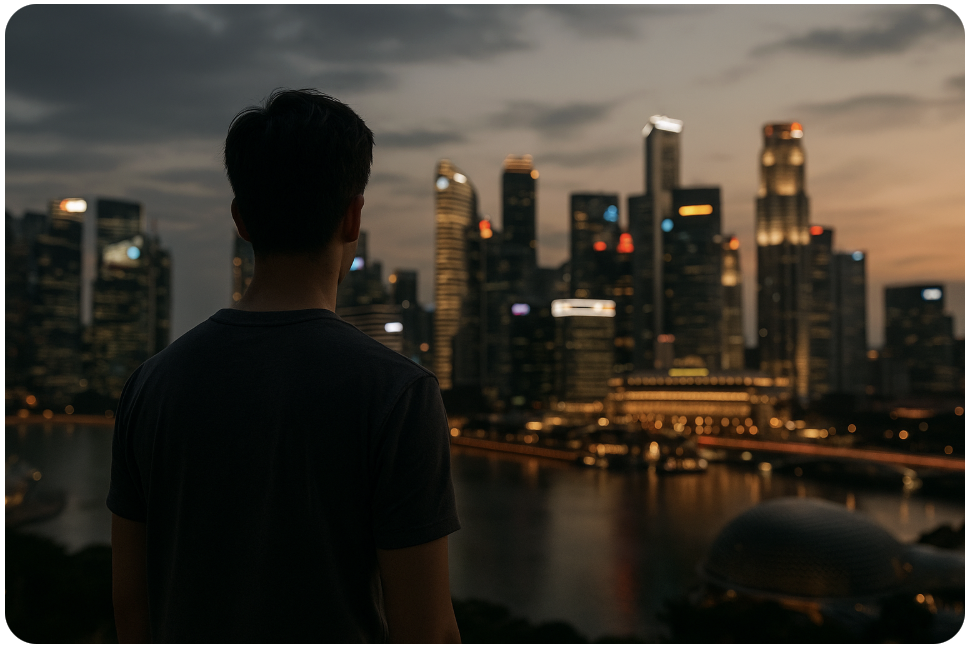
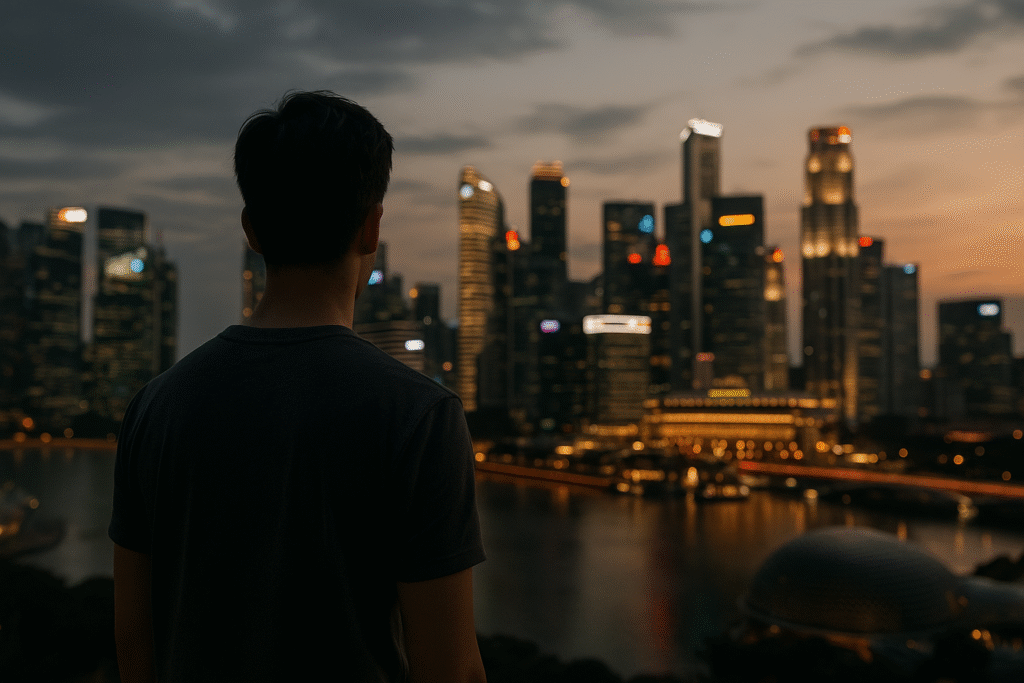
This time to Singapore—not because it promised secrecy, but because it promised something much more valuable: consistency.
Singapore does not hide wealth from governments. Instead, it cooperates transparently with all of them. It doesn’t offer political resistance; it offers neutrality. It doesn’t try to block oversight; it standardizes it. And most importantly: it maintains clear, stable rules even when the world becomes chaotic.
For the ultra-wealthy, this is the ultimate asset:
a system that doesn’t change when everything else does.
The Elite Mindset: Stability Above Everything
Most everyday investors chase returns.
Most wealthy investors chase stability.
The average person looks at a financial opportunity and asks:
- “How much can this grow?”
The wealthy ask:
- “What protects me if the world shifts?”
This single difference explains why capital moves long before regular people even notice that something is changing.
And it’s why the global search for stable structures, rules, and predictable systems never ends. When one environment becomes less reliable—even slightly—the wealthy simply relocate. They can do this because their resources are mobile, diversified, and insulated through layers of vehicles and safeguards.
This mindset is also why stability, rather than high returns, forms the foundation of many long-term safety nets . Everyday people often don’t realize how much of elite behavior revolves around building buffers, not chasing opportunities.
Why Stability Has Become the World’s Most Valuable Financial Commodity
The more wealth someone has, the more vulnerable they are to political, regulatory, and structural shocks.
For the average person, a sudden financial change is painful.
For someone with significant assets, it can be catastrophic.
This is why regulatory predictability has become the modern equivalent of gold.
- A country with unpredictable rules becomes a liability.
- A country that remains politically neutral becomes an asset.
- A system that protects investors without hiding them earns trust.
Singapore excels not because it provides secrecy, but because it provides clarity.
And clarity is something global capital pays a premium for.
How Elite Migration Reshapes Local Economies
But here’s where the story expands beyond private wealth.
When large amounts of capital enter a country, the effects ripple far beyond banking.
- Real estate prices rise
- Cost of living increases
- Local salaries remain stagnant
- Access to property becomes more difficult for residents
- Competition increases for high-quality services and infrastructure
This pattern has repeated not only in Singapore, but also in London, Vancouver, Dubai, and New York.
When the wealthy move, they reshape entire markets—intentionally or not.
They don’t simply seek stability; their presence redefines the environment that attracted them in the first place.
For everyday people, this can feel like a disappearing ground: the place they grew up in suddenly becomes unaffordable, and the financial systems around them seem to be designed for someone else.
This tension—between global capital seeking protection and local populations seeking opportunity—is one of the defining economic dynamics of our time.
And it will be the core focus of Article 2 in this trilogy.
What This Means for Everyday People
Even if you never move your money across borders, this global search for stability affects you:
- Your housing market
- Your cost of living
- Your ability to invest
- Your long-term financial planning
- Your sense of economic security
Understanding elite behavior isn’t about imitation—it’s about awareness.
If you don’t understand the forces shaping your environment, you can’t respond to them.
And in a world where capital can move faster than people, awareness becomes a form of protection.
Next in the Trilogy
Article 2 — The Illusion of Security: How Elite Wealth Reshapes Everyday Life
We will explore:
- Why locals struggle as capital inflows push prices upward
- How cost of living becomes disconnected from wages
- Why stability for the wealthy often creates instability for everyone else
- And what this means for your financial future
Related Resources
- The Ascent: From Metals to Real Estate — Parking Money the Elite Way
- Owning the Future: How to Build Stability With Smart System Creation
- The Foundation: Liquidity First — ETFs, Index Funds, and Your First Real Safety Net
- My book on GumRoad: How Personal Finance Made Simple Can Transform Your Future
- Or on Amazon:
Build Financial Clarity
Join the Crown Altessa newsletter and receive:
• the free Financial Foundation Guide
• practical financial frameworks
• strategic decision-making insights
• tools designed to help you think long term about money and stability
If you want calmer, more structured financial thinking in an uncertain world, subscribe below.